They didn’t say how they did it. That is the problem.
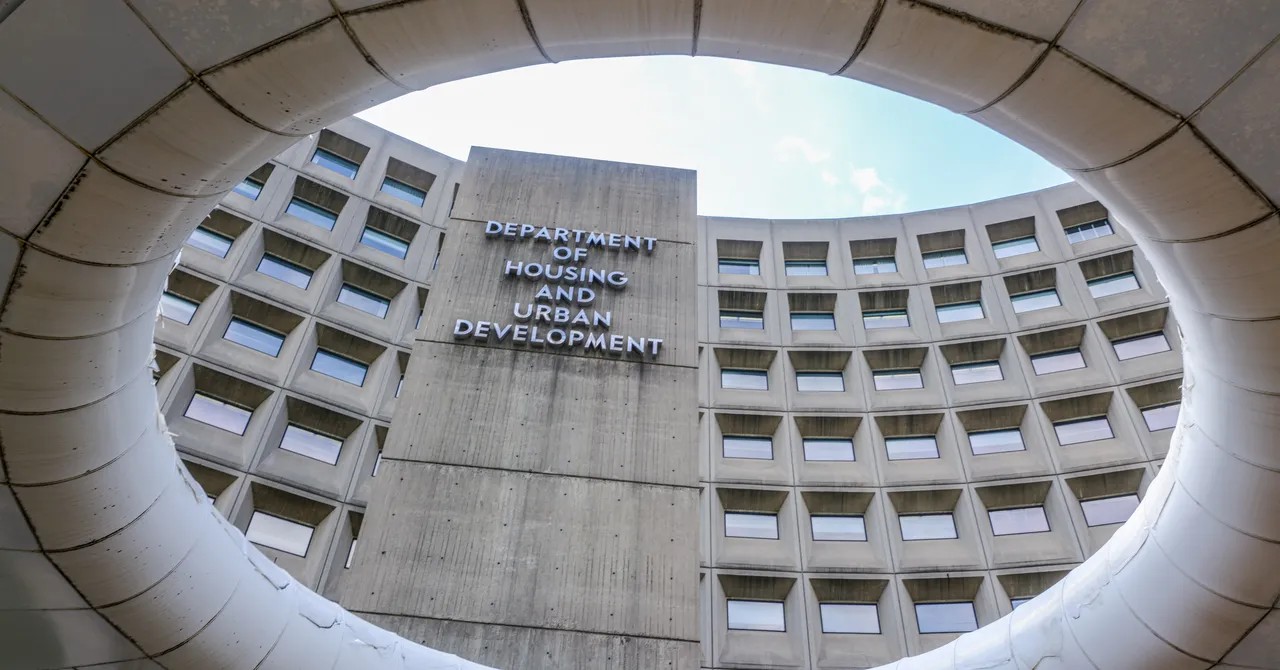
Members of the Department of Government Efficiency—DOGE—were embedded in the Department of Housing and Urban Development. They used artificial intelligence. The AI helped inform housing policy. Now HUD is blocking the details. They are denying Freedom of Information Act (FOIA) requests. A nonprofit legal group called Democracy Forward pulled these documents. Or rather. They pulled the refusals.
Last year WIRED tracked Christopher Sweet. A third-year student at the time. University of Chicago. Economics. He joined the DOGE team. He wasn’t alone. Scott Langmack came with him. Langmack left a prop-tech startup named Kukun. He brought baggage. And algorithms.
Sweet’s job was simple on paper. Use AI. Find agency rules. Flag them for rescission. Cancel the contracts. It was a broad government effort. But the implementation felt… odd.
HUD staff were looped in. Asked for feedback. On rules flagged by a machine. Other employees called it redundant. Just extra noise.
Sweet graduated in June. Got his degree. Langmack? He moved up. Executive director of deregulation AI. Office of Management and Budget. Under the President’s office. According to his LinkedIn at least.
The paperwork is gone. More than 100 documents requested. All withheld. HUD cites strange reasons. One is “AI privilege.” That is not a legal thing. Another is “presidential communications privilege.” That exists. Usually only for the President. And immediate advisers. Not necessarily for housing prompts.
There is no AI exemption under FOI
But the file names tell a story. Even if the content does not.
One doc: GPT defined Econ Analysis approach. Belonged to Langmack. Exempted. Label: “Deliberative AI input.”
Another: RegulatoryAnalysisPrompt. Also Langmack. It suggests DOGE built specific prompts. To conduct regulatory analysis. To scrub housing laws. Several other files mention “regulatory analysis” too. Did AI create them? Who knows. They are hidden.
This is terrifying. Not because it’s illegal. It’s not. There is no US law saying the government must admit if AI helped write a rule. Or delete one.
Tori Noble works for the Electronic Frontier Foundation. She is worried. AI hallucinates. It is biased. It gets things wrong. If we don’t know how the tools are used… how do we judge them?
“It’s not necessarily the case that would always know how tools are being,” Noble said. Access to prompts. That’s the only way. To see if the input is harmful. To see the chain of reasoning.
Mark Fagan from Harvard sees the nuance. If AI is just another tool in the kit. Maybe you disclose. For trust. Good protocol.
But consider. If I Google how others handle a problem. Do I cite my Google search in the final report? No. It’s embedded. Part of my brain.
Fagan argues that many prompts are deliberative. Technical back-and-forth. Refinement. “Much of it is deliberative,” he notes. It looks like thinking. Not deciding.
HUD hides behind Exemption 5. The “deliberative process privilege. It protects pre-decisional thoughts. Human beings talking. Drafting. Giving candid feedback without fear.
John Davisson at EPIC says this encourages honesty. If workers can’t be open in drafts… the policy suffers. That makes sense. For humans.
But here is the twist. HUD denied some docs using “Draft of AI Prompt.” And “Deliberative AI Input.”
Files named Prompt.pdf or PROMPT+AB. Withheld. Because AI is… private?
“AI systems computers are not entitled to cand,” Davisson said. A chatbot does not need protection. It doesn’t get afraid. It doesn’t have a right to silence. So why shield it?
Another document: DFR Template_Workflow. Withheld for “presidential communications privilege.” Davisson flags this. Where did the prompts come from? The White House? Who wrote the code? Who fed the machine?
Dan McGrath at Democracy Forward is done with the excuses. The government is using AI to shape lives. Our homes. Our rights. The public has a right to see the impact.
Withholding these inputs as “privileged” isn’t about honesty. It’s about hiding the mechanism. Existing laws protect human debate. They are not meant to shield a black box from scrutiny.
So who is really writing policy now. The staff. The lawyers. Or the latent space?
We won’t know until someone stops looking at the shadows.