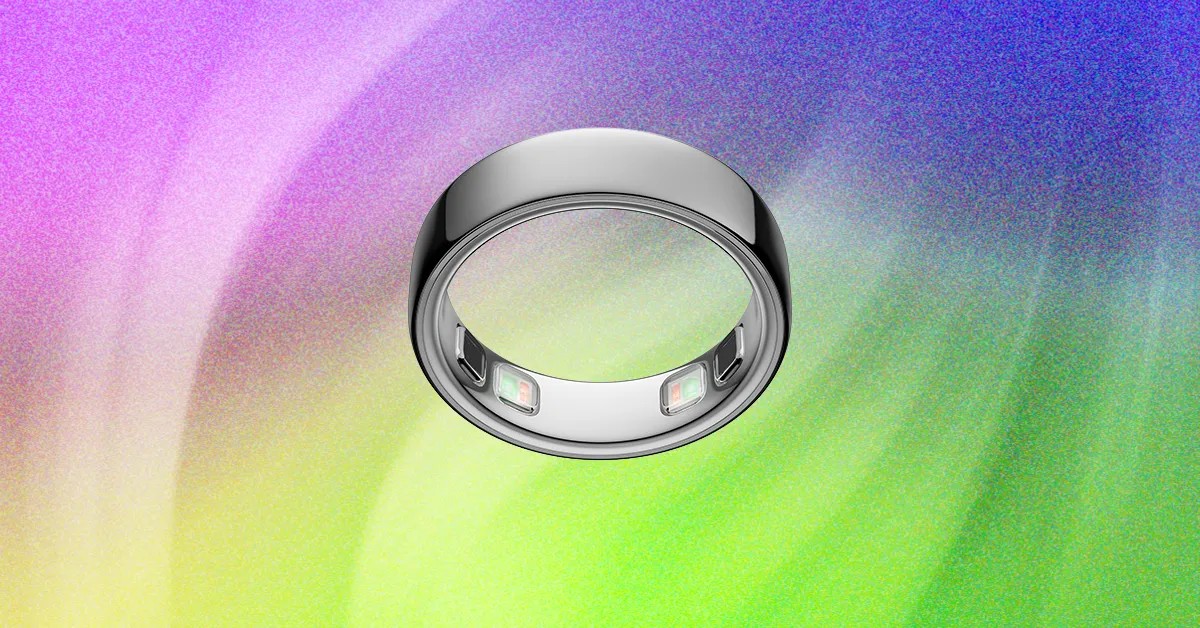
Oura started this whole smart ring thing back in 2015. For ten years they’ve sat at the top, watching rivals like Ultrahuman, Samsung, and RingConn try to chip away at their lead. The Oura Ring 5 doesn’t try to reinvent the wheel. It just makes the wheel smoother, smaller, and arguably more comfortable. After three weeks on my finger, it feels like the best Oura device yet. Though, if you own the Ring 4, hold your wallet. There’s not enough new here to make upgrading a no-brainer.
Thinner. Harder. Tighter.
You almost forget it’s there.
That’s the point. The Ring 5 sits at 6.09mm wide and 2.28mm thick. Roughly forty percent smaller than the previous generation. Oura calls it the smallest smart ring out there. I slept in it, worked in it, sweated through workouts wearing it. Comfort? It wins. Every time.
Durability holds up too. The titanium shell has a tougher Physical Vapor Deposition (PVD) coating now. It keeps the IP68 rating and can dive up to 100 meters deep. Three weeks later? It still looks new. Maybe a faint hairline scratch. My Ring 4 looked beaten up after day three. This one looks like it belongs in a jewelry box.
Setup is instant. Pairing took seconds. But note this: sizes dropped. You now only get sizes 6 through 13. The old Ring 4 went from 4 to 15. If you’re an existing owner, get the new sizing kit. I kept my old size and it felt snug. Tighter than before. You might need to go up one size.
Same Numbers, New Tools
Did the sensors improve? I didn’t notice it.
My overnight resting heart rate? Same as Ring 4. Heart rate variability? Unchanged. Activity tracking? Spot on, just like before.
Is this a complaint? No. Because the Ring 4 was already good. But Oura claims better accuracy via LEDs that are four times brighter. They moved sensors closer to skin. Added twelve signal pathways to help different skin tones and finger shapes. In theory. In practice? I saw no dramatic jump.
Battery life nudged upward. Averaged six to nine days per charge. The Ring 4 did five to eight. Not huge, but better. They also dropped a portable Charging Case for $99. Holds power for about five full charges. It has a button for status checks. You can even use the Locate feature to find both the case and the ring if you lose them in a hotel room. Nice for travel. Not essential.
The Real Shift: Software and AI
Hardware gets you half there. Software keeps you coming back.
Oura is pivoting hard into proactive health. Powered by AI. Specifically, the Oura Advisor, their LLM-powered assistant. It launched last year, but it’s central now. Along with Counsel Health, they expanded the assistant. You can ask questions about your health. Get guidance based on your actual biometrics. Even connect to licensed pros. All inside the app. No switching apps.
Fitness tracking got sharper. There’s a Live Activity widget now. Start a run on your phone, watch pace and heart rate on your lock screen. Glance, don’t unlock. Simple, but it makes the ring feel less passive. Automatic activity detection works better too. It caught Pilates. My Ring 4 usually missed that. It knows when I’m walking.
A bigger win: Bluetooth HRM support.
Yes, you can pair your Ring with a third-party heart rate strap. Wear the strap during heavy lifts, keep the Ring in the gym bag. You lose the data. Wait, no, you don’t. This solved my biggest gripe. Smart rings are annoying during strength training. Now they’re not necessary. Of course, you still have to buy a separate chest strap.
Sleep remains king.
The data feels real. Stay up late? The app knows. Wake up three times? The Readiness Score drops. Over three weeks, the numbers matched how I felt before I even checked my phone. That consistency is rare.
Symptom Radar? Still imperfect. I caught the flu while testing it. The Ring flagged changes in my physiology. About a day after I knew I was sick. Same lag as the Ring 4 despite the “improvements” hype.
Health Radar brought new toys. Blood Pressure Signals looks for cardiac strain patterns. Nighttime Breathing tracks sleep disruptions over a 30-day window. I saw zero breathing issues, which aligns with my other sleep trackers. Note: This feature is still rolling out. If it’s missing, update your app.
There’s also GLP-1 Tracking. Log shots or pills. Track weight and side effects. Get dose reminders. Even if you aren’t taking Ozempic, it makes sense. Millions are. It’s just data organization done well.
Privacy got a tweak. New Data Deletion tool lets you erase data from specific dates. Not the whole account. Just last Tuesday? Delete Tuesday. Granular control over sharing is also better.
You can link multiple rings now. Pair your Ring 4 and 5 on one account. Switch styles daily. One membership fee. I love this. I like how my Ceramic Ring 4 looks, but the 5 is more comfortable for work. I swap them out. The data stays. I don’t break the streak.
The Competition Isn’t Going Away
Samsung’s Galaxy Ring works great if you use Samsung phones. Ultrahuman doesn’t charge a monthly fee. RingConn has killer battery life. The gap is closing.
Oura still charges $6 per month for the full experience. Without it? You see Sleep, Readiness, and Activity scores. Nothing more. It feels steep. But the software layer, the AI coaching, the historical context? It’s deeper here. After using them all, Oura still has the most mature ecosystem.
Should you buy it?
- Newcomers / Ring 2 or 3 Owners: Yes. Easy choice. It’s smaller, more comfortable, the software is richer. It’s the polished version they should have made three years ago.
- Ring 4 Owners: Pass. The sensor accuracy isn’t drastically different. The software updates will hit your Ring 4 too. Unless the slim profile is something you physically crave, save your money. Wait for the Ring 6.
“Plenty of wearables collect health data. But Oura does the best job influencing what I do with that data.”
The novelty wears off. The shiny object appeal fades. What’s left? How it helps you sleep, train, and recover. For now, Oura owns that space. The Ring 5 holds the crown. Even if it’s not the easiest crown to justify keeping.