We all like to think our money stays put. It doesn’t. Especially not when you are past seventy, living on a fixed income that feels smaller every time gas prices tick up.
I asked an AI to dig into the numbers. Not for vague advice. I wanted to know where seniors throw cash at nonessential habits that offer zero return. The answer isn’t just one big expense. It’s the quiet erosion. The small leaks in the boat.
When you strip away rent, utilities, and doctor visits, the real damage hides in daily choices. Waste isn’t about being bad with money. It’s about buying value you never use. And time? You don’t have much of it to recover those savings.
Food You Didn’t Cook
Cooking is hard. Planning meals is harder. So why do it when you can walk into a place where someone else did the work?
The Federal Reserve Bank of St.Louis says folks between 65 and 74 spend about $2,841 a year on food eaten outside the home. That sounds harmless until you remember healthcare costs exist. Every dollar spent on takeout is a dollar not in an emergency fund.
Is a meal out bad? No. Not ever. But mindless ordering adds up fast.
Funding Grandkids Without a Plan
Love your grandkids? Everyone does. Lavishing them with cash and gifts feels good in the moment. It drains your bank account later.
A 2025 survey found that 96% of grandparents give money to their grandkids. The average is more than $3,90 a year. If you didn’t budget for this, you are effectively giving away your retirement security.
You need a plan. If the gift isn’t in the spreadsheet, something else has to disappear to make room for it.
Hobbies That Sit in Boxes
Retirement means slowing down. It also means buying stuff to entertain yourself. Streaming services. Concert tickets. Knitting supplies that gather dust.
The data shows older adults spend hundreds annually on these things. Leisure isn’t bad. We aren’t suggesting you stop having fun. But there is a difference between enjoying life and paying for admission to experiences you forget within an hour.
Look for the free version. Bundle the streams. Stretch the dollar before you buy the ticket.
The Silent Subscriptions
This is the boring part. It’s also the most dangerous.
Auto-renewing subscriptions. Apps you haven’t opened since 2019. Memberships to clubs where the dust bunnies are thicker than the crowds.
Most people ignore these small monthly charges until the annual bill hits. Then it’s hundreds of dollars gone. Wasted.
Check the statement. Actually look at it. If you don’t use it, cancel it. Why not?
Clothes You Wear Once
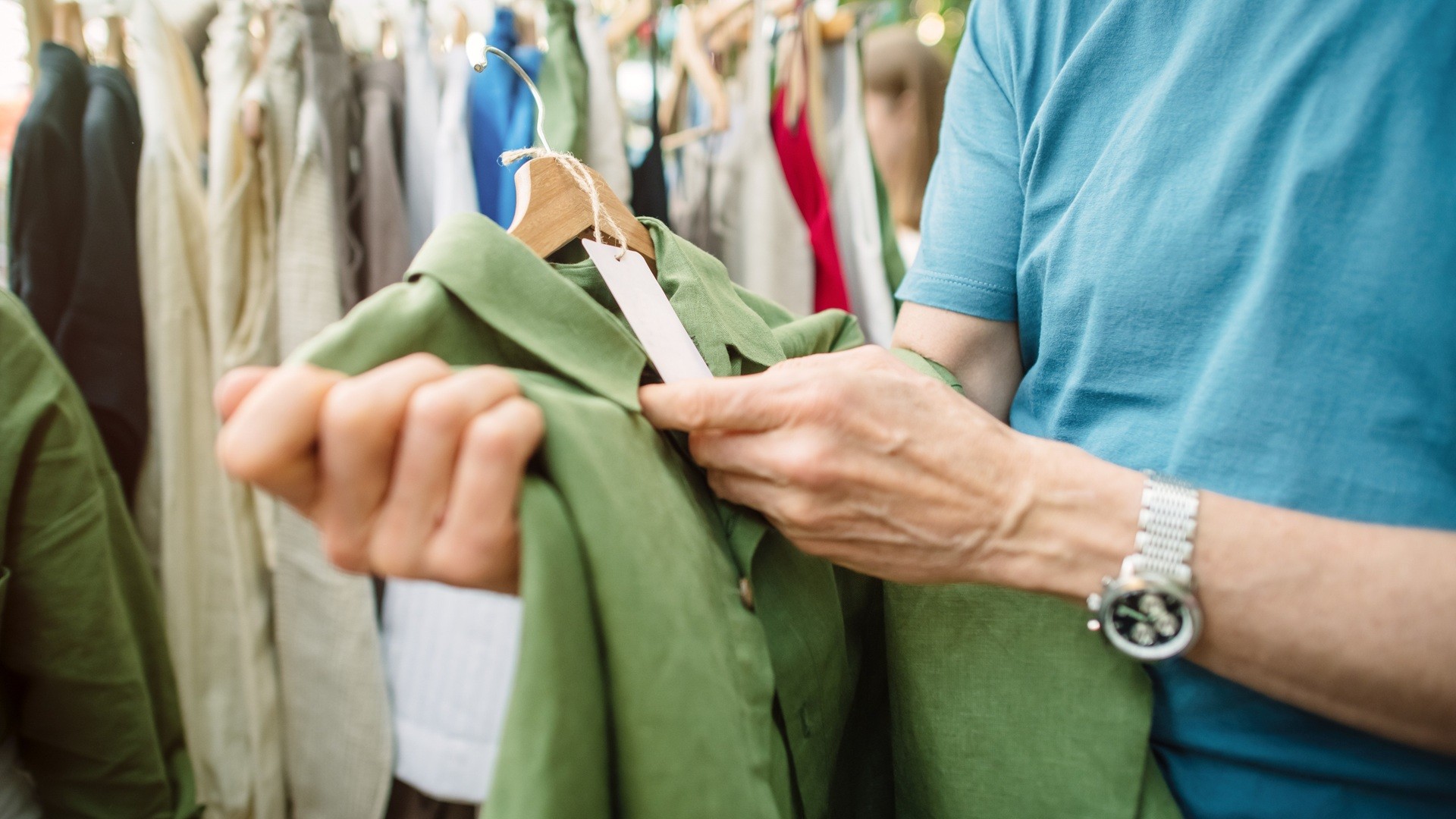
The Bureau of Labor Statistics tracks this. People over 65 spend over $1,000 a year on clothes and apparel services.
Do you really need three new coats? Or did you just walk past a rack and impulse buy?
Clothes rarely help financial stability. They just take up space in the closet and eventually get donated. Update your wardrobe if something breaks. Don’t do it because it looks shiny.
The pattern isn’t malice. It’s habit.
None of these things are evil. Eating out brings joy. Giving to family feels noble. Buying new gear gets us out the door.
But habits left unchecked are expensive. They chip away at the foundation, one small transaction at a time. You won’t feel it happen. You’ll just notice later that the savings account isn’t what it used to be.
Maybe you’ll cook that extra batch of soup tomorrow. Or maybe you won’t.
What do you think keeps people spending?