The US puts men on the Moon.
Yet we cannot get a signal to Tehran.
Three months since the US and Israel opened fire, and the war dr On. No clear end. Just chaos, confusion, and an economic hangover that might last years. The worst sufferers? Iranians. The voices we hear least from. Why? A nationwide internet blackout. No free press. Almost no foreign correspondents left inside.
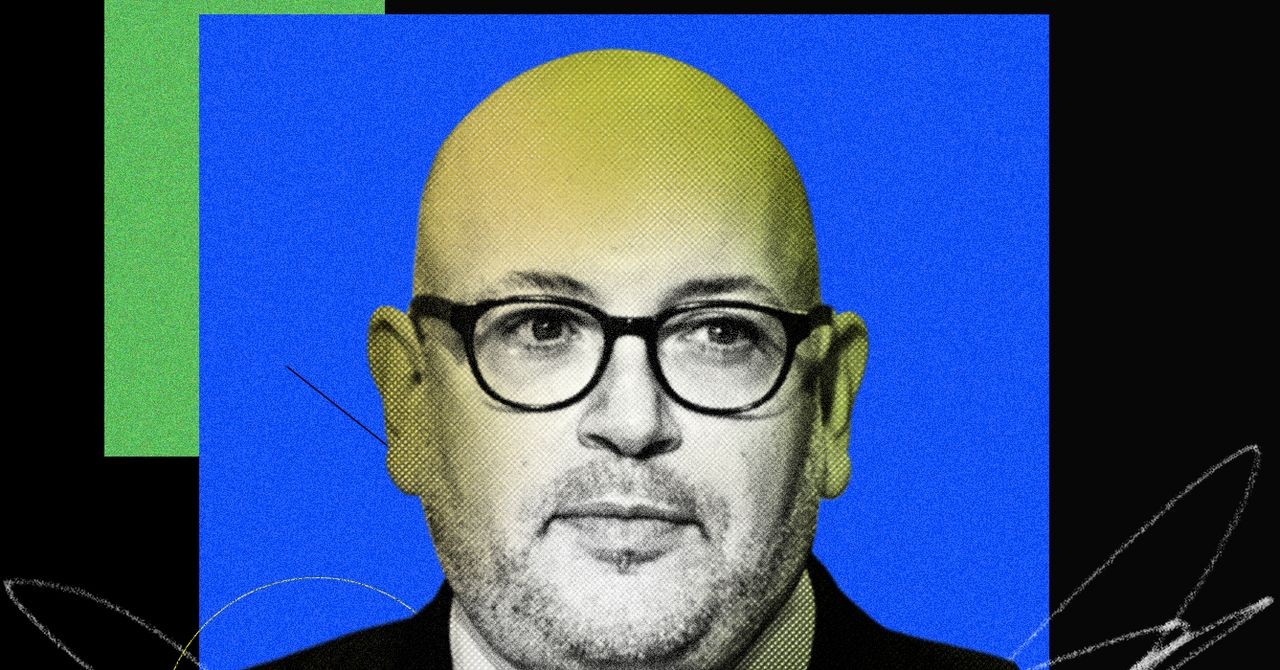
Jason Rezaian knows. In 2014 the Iranian regime locked him up for spying. Two years in prison before a prisoner swap sent him back to US custody. Today he heads press freedom initiatives at The Washington Post. He agreed to talk. Not about diplomacy, but about the brutal reality for 93 million people living in the blast radius.
The Fragile Halt
“Is it really that simple to get them back online? No. But we’re not trying.”
The ceasefire feels thin. Trump might stop striking, if only because American voters hate the economic pain. But Israel? Netanyahu sees a green light.
Here is the thing nobody in Washington seemed to grasp. Killing the Supreme Leader was never enough. The regime isn’t a house of cards. It is a tangled web of horse-trading, power-jockeying, and guns. Decades of internal conflict taught them how to absorb blows. When the US took out the top brass earlier this year, analysts whispered about a revolution. They were wrong.
The people remained silent.
Unarmed. Disconnected. Starved of information. Internet access is oxygen now. If you cut the cord, you cut off coordination. Yet the US spent billions on missiles instead of satellite beams. Starlink exists. Direct-to-cell tech exists. Cheaper than the bombs. Smarter than the blackout.
No Plan. Just Footballs.
There was hope, once.
In February, as strikes began, Iranians hit the streets. Protests that felt monumental. Then came the counter-move.
Trump claimed he supported the protesters. A nice notion. Hollow action. His travel ban still blocks Iranian students from US universities. How do you support civil society while barring its brightest minds?
The goal remains fuzzy. Washington and Tel Aviv say they share one strategy. They do not. US policy on Iran changes with every election. A political football, tossed back and forth.
Remember the reports that the US wanted to release Mahmoud Ahmadinejad from house arrest to lead a post-regime Iran?
Quixotic. Absurd.
If those were the plans, there were no plans at all. Just improvisation. Just noise.
The View From Inside
Rezaian was inside.
Accused of espionage. Held for 544 days. He knows the regime’s capacity for chaos. It is not a paper tiger—it holds its ground, but fights asymmetrically. When forced into conventional warfare, it folds. Against US hardware? They cannot compete.
But against their own people? Another story.
Since 2009—the Green Movement—whenever Iranians chose reformers, Washington stepped in. Sanctions. Cyberattacks. Military threats. Every move reset the clock on progress. In 2001 Rezaian visited a Iran on the verge of opening up. By 2024, that window slammed shut.
Today? Almost zero foreign correspondents.
Deepfakes flood social media. Disinformation wins. An American viewer watches the news without context and sees only fog. Compare it to Gaza. To Ukraine. There, information flows here it stagnates.
Rezaian speaks plainly: The US has soft power. Cultural influence. Resources. We could have supported the aspiration for change. We chose strikes.
The war continues.
The blackout persists.
And the question hangs, unanswered by officials or soldiers: If we can conquer space, why do we fear the truth?