Прогноз ураганів на 2026 рік: тихо, але розслаблятися рано
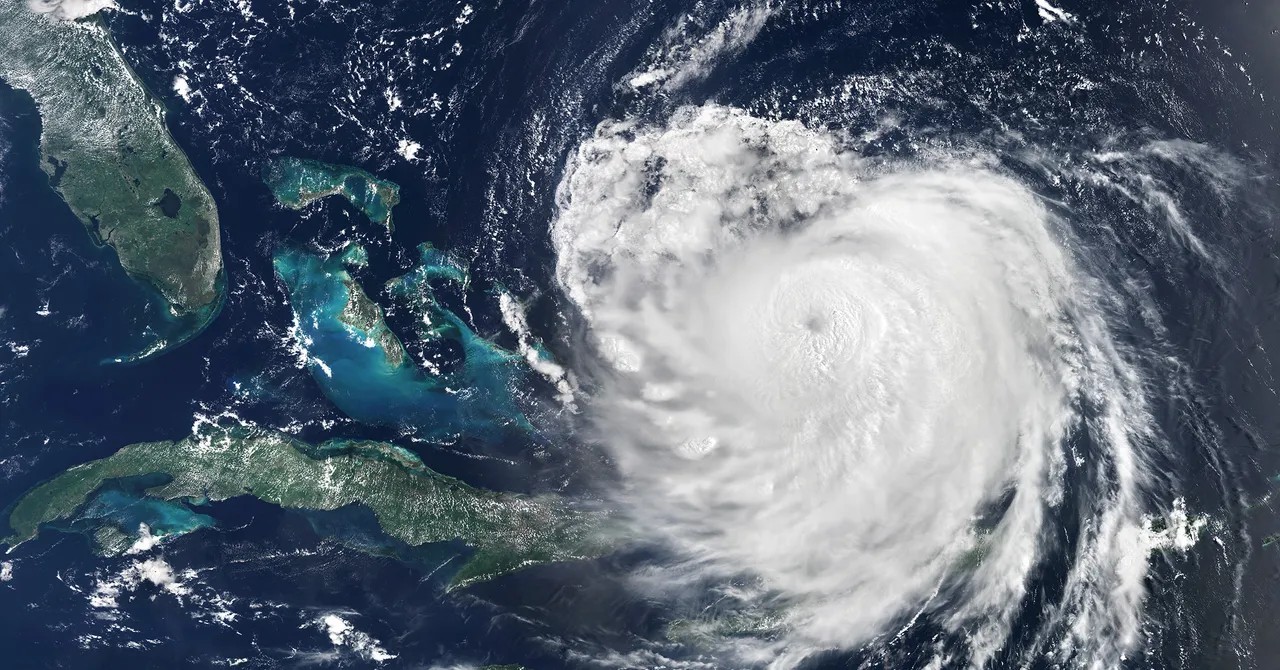
Сезон атлантичних ураганів вже близько. Перші ознаки вказують на «лінивий» рік із малою активністю. Але викидати метеорологічну програму з телефону ще рано.
Національне управління океанічних та атмосферних досліджень (NOAA) прогнозує від восьми до чотирнадцяти штормів з іменами. Можливо, три-шість із них стануть ураганами. Один або три – сильні урагани 3-ї категорії або вище.
Причина цього – Ель-Ніньо. Це вже в розпалі. Тепла вода, що розливається Тихим океаном, порушує глобальні вітрові потоки. В Атлантиці ці вітри буквально «розбивають» шторми, що формуються на стадії закручування. У Тихому океані ситуація обернена: NOAA очікує там бурхливий сезон.
Історія підтверджує цю закономірність. Згадаймо минулі періоди “супер Ель-Ніньо”: низька енергія циклонів, слабкі шторми.
Але температура води в Атлантиці все ще висока. Це додає палива у вогонь.
А є ще пилюка. Сахарська. Вона заповнює небо, блокуючи формування штормів. Її вплив неможливо точно передбачити. Торік активність була нижчою за середню. Прогноз обіцяв спокій і реальність це підтвердила. Потім ударив ураган Мелісса — один із найсильніших в історії.
«Незважаючи на прогнози сезону нижче за середній рівень в Атлантиці, важливо розуміти: достатньо всього одного шторму».
Ніл Джекобс висловився дуже просто. Навіть тихі роки приносять обвалення на сушу. Особливо руйнівні.
Прогнози допомагають відомствам наповнювати полиці запасами, евакуювати судна та готувати енергомережі. Це важливо. Але вбивають людей не прогнози, а окремі шторми.
У NOAA зараз відчувається дивне тло. Адміністрація Трампа скоротила штат і обсяги даних, що збираються. У небо піднімається менше метеозондів. Джекобс говорить про дрони. Нових. Вони незабаром почнуть працювати.
Також активно впроваджується ІІ. Моделі, що навчаються на історичних даних. Google DeepMind допоміг створити одну з них для тестів у 2025 році. Повну лінійку було запущено минулого року. Вона працює нарівні зі старими моделями, що базуються на рівняннях.
ІІ краще передбачає траєкторії. Але помиляється в інтенсивності. Традиційні моделі все ще виграють в оцінці потужності штормів.
Отже, небо спостерігають дрони та алгоритми. Ель-Ніньо поки що стримує хаос.
Чи безпечний тихий сезон? Ні. Просто менше «пострілів» у обоймі.
Атлантика залишається теплою. Пилові перенесення хаотичні. Шторму не потрібні товариші по нещастю. Йому треба лише повернути праворуч — у бік суші.
Ми готуємось. Ми спостерігаємо. Ми сподіваємося, що ІІ вгадає траєкторію. Тому що океан не дбає про прогнози. Йому важлива лише фізика. І поки що фізика виглядає спокійною. Майже.
Що буде, коли це припиниться?
У цьому полягає головне питання. А моделі все ще відстають у частині передбачення інтенсивності.