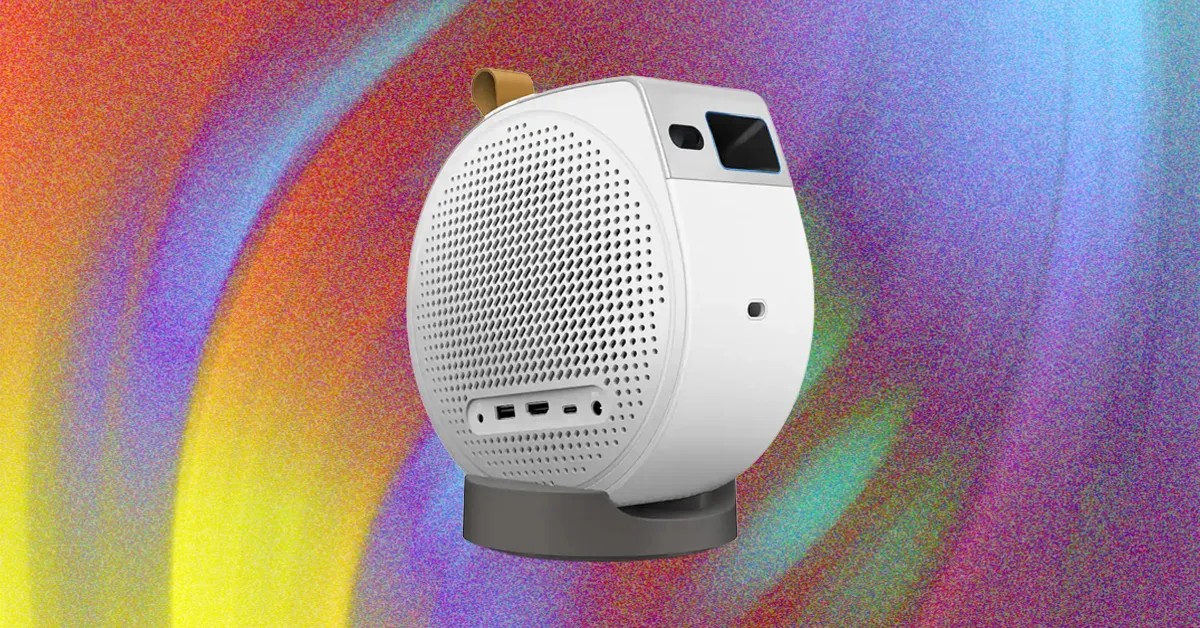
Портативні проектори – це насамперед свобода. Хочете дивитися Netflix з ліжка? Легко. Хочете лежати і дивитися на стелю? Теж варіант. Я тестував BenQ GV50 саме для такого завдання. Це компактний пристрій на батарейках, який BenQ називає стельовим проектором. Чи працює він? Так. Чи приголомшливої якості картинки чи звуку? Абсолютно ні. Але він пропонує по-справжньому портативне рішення, що дозволяє проектувати зображення будь-куди.
Пристрій універсальний. У ньому вбудований Google TV, тому можна транслювати практично будь-який контент. Він дешевший від конкурентів, таких як Soundcore Nebula P1. Але є нюанс: за цю нижчу ціну доводиться платити погіршенням якості зображення, звуку та швидкості роботи. Ми живемо в епоху 4K, а цей девайс застряг у минулому. Він видає роздільну здатність 1080p. Він навіть не підтримує HDMI eARC чи Dolby Atmos. Доступний лише ARC 5.1 із підтримкою Dolby Audio.
Ціна $599. Чи варто його брати? Так, якщо ви знаєте, на що йдете. Якщо ви очікуєте на кінематографічну досконалість — тікайте.
Переносність виходить на перший план
GV50 виглядає як величезна сіро-біла раковина. Він нахиляється. І по вертикалі, і по горизонталі. Якість збирання? Дешевий пластик. BenQ тут не реалізує естетику. Вони продають функціональність. Високопортативний проектор середнього класу. І їм це вдається зробити.
Він важить 4,6 фунта (близько 2,1 кг). Висота – 8 дюймів. Його можна кинути у сумку. Зверху є невелика ручка-ремінь, але чесно кажучи, за неї незручно братися. Велика петля була б до речі. Також можна купити чохол для перенесення за $59. У нього містяться сам проектор, пульт управління та підставка. Приємний штрих.
Основа дозволяє переміщувати проектор вгору або вниз. Вертикальне усунення. Без кнопок. Просто посуньте. Для горизонтального нахилу з основи висуваються дві ніжки. Ви можете спрямувати промінь на стелю. Він легко ковзає, але фіксується на місці, коли потрібно.
З’єднання: що є, а чого ні
У GV50 один порт HDMI. Його можна використовувати для передачі звуку через ARC або підключення ігрової консолі. Також є порти USB-A та USB-C. Вони підходять для флешок, жорстких дисків або заряджання телефону. Є й аудіороз’єм 3,5 мм.
Але зверніть увагу на недоліки підключень. Немає порту Ethernet. Тільки Wi-Fi 5. Це більш стара, повільніша технологія з меншою сумісністю, ніж у Wi-Fi 6E. У мене були урвища зв’язку з моєю mesh-сіткою Google Nest. Він завжди міг підтримувати стабільне з’єднання.
В іншому налаштування пройшло гладко. Довелося зачекати 45 хвилин, доки система оновиться. Тяжко. Після цього? Використовуйте програму Google Home. Відскануйте QR-код. Встановіть програми. Готово. Автоматична корекція трапеції (auto-keystone) добре працює на екрані, стіні чи стелі. Вносяться лише невеликі коригування. Пульт зручний. Кнопка «Додому» по центру. Швидкі клавіші для Netflix, YouTube та Prime. Стандартний набір.
GV50 працює від батареї. Ви можете настроїти автоматичне вимкнення через заданий час. Режим живлення від батареї корисний, але вдома я тримав його увімкненим у розетку. Його реальна цінність? Кемпінг чи місця без розеток. Ви отримуєте кілька годин автономної роботи. Але майте на увазі: для економії заряду зображення стає тьмянішим.
Проблема якості зображення
Не чекайте на кінематографічні чудеса. GV50 провалив тести Spears&Muncil. Кольори шкіри були середніми. Майже немає варіацій. У демо-роликах обмеження 1080 р були очевидними. Поганий контраст. Низька яскравість.
Червоний кактус виглядав тьмяним. Жовта квітка позбавлена яскравості. Дерева на гірському краєвиді? Занадто темні. Вони зливаються з чорною, як смоль темною. Яскраві метелики? Безглузді. Плоскі.
Якість 1080p позбавлена яскравості та контрастності, через що барвисті сцени виглядають плоскими та неживими.
Стрімінг з iPhone 17 Pro або iPad 12.9 дюймів – зовсім інша історія. Або, вірніше, найгірша. Швидкість обробки повільна. Google Cast та AirPlay працюють, але відтворення ривками. Дергане. Спробуйте перемотати? Пауза. Або помилка. Винні жалюгідні 2 ГБ оперативної пам’яті та 1,5-гігагерцовий процесор. Потужності не вистачає.
Точність кольору — ще один слабкий пункт. Він охоплює 92% старої гами Rec. 700. Жодного BT.2020. Я дивився * «Вартові Галактики. Частина 2»* у Disney+. Коли з’явився інопланетний восьминіг, я чекав на вибух кольору. Я отримав лише тьмяність. Ні багатства, ні деталей.
Потім був «Майстра Повітря» в Apple TV. Я підключив дорогі колонки Polk. Звук був непоганий. Відео? Відштовхуючим. 1080p. Поганий контраст. Під час повітряних боїв літаки літали всюди. Хмари всюди. Синє небо глибоко. Я ледве міг розгледіти літаки. Екран покрився сірою пеленою. Начебто дешевий телевізор. Яскравіші режими зображення не допомагали.
Дивно, але «Творець» у Fandango at Home виглядав нормально. Я зміг побачити текстуру на скелястих стрімчаках. «Пробудження» на Netflix теж було непоганим. Темні сцени зазвичай вбивають такі проектори, але тут вони вижили. Здебільшого.
Продуктивність в іграх
Я грав у Red Dead Redemption 2 на Xbox Series X. Цей пристрій не призначений для динамічних ігор. Проте воно не було жахливим. Час відгуку був напрочуд пристойним. Містечко біля озера виглядало каламутним. Атмосферно насправді. У хорошому розумінні. Якщо ви граєте в ігри з повільним темпом, це може вам підійти. Для шутерів від першої особи зі швидким темпом? Шукайте інше рішення.
Чи варто його купувати?
Якщо ви хочете справжній домашній кінотеатр із проекцією на стелю? Ні. Це не той інструмент.
Але це не повний провал. Мені сподобалися веселі функції. Спостереження за зірками? Використовуйте Stellarium на ноутбуці. Транслюйте зображення на GV50. Він показав те, що справді знаходиться в небі наді мною. В реальному часі. Точно. Це круто.
Він також чудово підійде, якщо ви багато переїжджаєте. Швидке налаштування. Швидкий демонтаж. Портативний. Доступний. Веселий.
Він ідеальний? Ні. Він іде на компроміси. Але за $599? Це життєздатний варіант для конкретних сценаріїв використання. Просто не чекайте, що він замінить ваш телевізор.
Увімкніть безлімітний доступ до WIRED… [інше опущено]