Buying a car with cold, hard cash changes the game. There are no monthly payments draining your Social Security check. No interest rates eating away at your savings. And certainly, no loan payments lingering years after the car has turned into a rusted shell of its former self.
It’s the smartest financial move a retiree can make. But here is the rub: finding that “right” car at the “right” price requires more than just flipping through ads. You need to know where to look and, more importantly, what to avoid.
Chris Pyle, an auto expert with JustAnswer, has spent years watching buyers trip over their own feet. His top picks for retirees hovering around the $15,000 used car budget might surprise you. So does the single mistake that ruins otherwise solid deals.
Why Low Mileage Can Be a Trap
Let’s kill a myth right now: low mileage does not equal a good car. It never has.
Pyle points to two Honda Accords. One is a 2018/2019 model with 8,000 miles. The other is a 2021 model with 12,000 miles. Both are listed at the same price. Who do you buy?
The low-mileage car? Wrong answer.
If a vehicle sits unused for months, fuel goes stale. Gaskets dry out. Tires develop flat spots. More insidiously, a previous owner who drove so gently that the engine never warmed up to a healthy operating RPM causes wear that looks invisible to the naked eye. The engine ages poorly despite the odometer.
“These poor habits can make what looks like a great actual vehicle be one to avoid,” Pyle warns.
Here is how you protect yourself: Pay a shop to do a pre-purchase inspection. Use a printable checklist. Find it online. Have a professional check for oil leaks, water seepage into the cabin, and signs of hidden neglect. A car can look pristine on a Saturday morning test drive and still be burning oil by Tuesday afternoon.
The Japanese Sedans: Reliability Kings
If you want peace of mind, look at Japanese brands. Specifically, the big two.
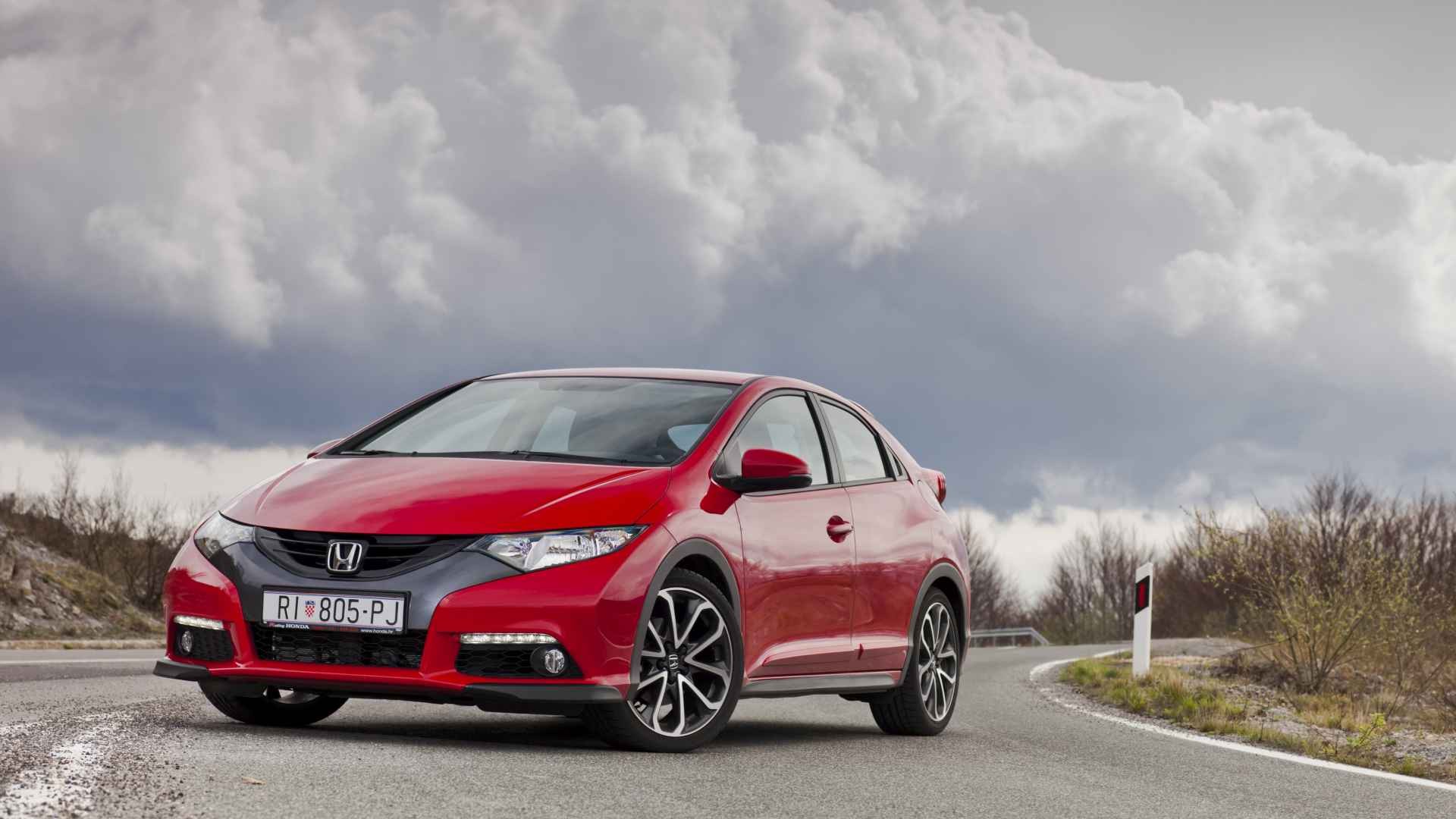
Honda Civic and Accord
Pyle puts these at the top. Why? They are built to last. With proper maintenance, hitting 150,00 miles is often just the beginning, not the end. They are predictable. Safe. Easy to sell if you ever decide to upgrade.
There is a catch. Honda holds its value. Aggressively.
To stay near the $15,000 cash target, you will likely need to accept higher mileage or an older model year for a Civic or Accord. For many retirees, trading a few extra miles on the odometer for the sheer durability of the engine is a worth trade.
Toyota Corolla and Camry
Toyota doesn’t do things halfway. The Corolla and Camry are among the most reliable automobiles ever mass-produced. Long-term ownership costs are among the lowest in the industry. Insurance is reasonable. Repairs are predictable.
Like Honda, Toyota vehicles depreciate slowly. This works in your favor if you buy new. It works against you if you buy used. You may need to look at slightly older years to fit the $15,000 budget. But if you want a car that will start every morning for the next five years, this is where you look.
Nissan Altima
Rounding out the Japanese sedan trio is the Nissan Altima. It’s solid. Comfortable. Reliable enough, particularly in older model years. Depreciation has done the heavy lifting here. Nissan prices tend to be more aggressive than Honda or Toyota, making it a practical choice for cash buyers who want comfort without the premium price tag.
Korean Value: Hyundai and Kia
This is where the smart money often hides.
Korean brands have matured significantly. They offer some of the best value in the current used market. Pyle specifically points to the Hyundai Elantra and Sonata, as well as the Kia Sorento and Sportage crossovers.
These cars are well-built. They handle high mileage just fine if they’ve been maintained. The kicker? They depreciate faster than their Japanese counterparts.
For a cash buyer, this is a feature, not a bug.
Pyle owns a 2013 Kia Soretto with 142,00 miles. He’d trust it to drive across the country today. Its current trade-in value? Under $5,000. But the mechanical integrity remains high. You get modern safety features, reliable engines, and a price point that doesn’t break the bank.
Domestic Durability: Ford and Chevy
Don’t sleep on American-made vehicles. They’ve come a long way since the days of questionable electronics.
Ford Escape, Edge, and Maverick
Ford offers three compelling options here. All three are widely available. You’ll see them on dealer lots and private sellers’ driveways in equal measure. They have been in production long enough that common issues are well-documented and understood by mechanics everywhere.
Parts are cheap. Service is easy. Prices are reasonable. If you live in a rural area where dealer networks are sparse, a Ford or Chevy might actually be easier to service than a niche European import.
Chevy Malibu, Equinox, and Traverse
General Motors sits right alongside Ford in this category. The Malibu (sedan), Equinox (compact SUV), and Traverse (midsize SUV) are all practical, plentiful, and affordable.
The same logic applies: years of production kinks have been worked out. If you want something that feels familiar, is easy to fix, and won’t empty your wallet at the parts counter, these domestic options deserve a serious look.
The Bottom Line
Paying cash removes the stress. It removes the debt. It keeps your fixed income flexible. But it doesn’t remove the need for vigilance.
Whether you choose a high-mileage Honda for its longevity or a lower-mileage Kia for its value, the rule remains the same: inspect before you buy. Don’t let an odometer lie to you. A $15,00 used car can be a gift to your retirement budget. Or it can be a money pit.
The difference lies in what you look for behind the shiny paint.
Your next car is out there. Is it worth the risk? Only you can decide. But make sure you’ve done the math. And the inspection.