

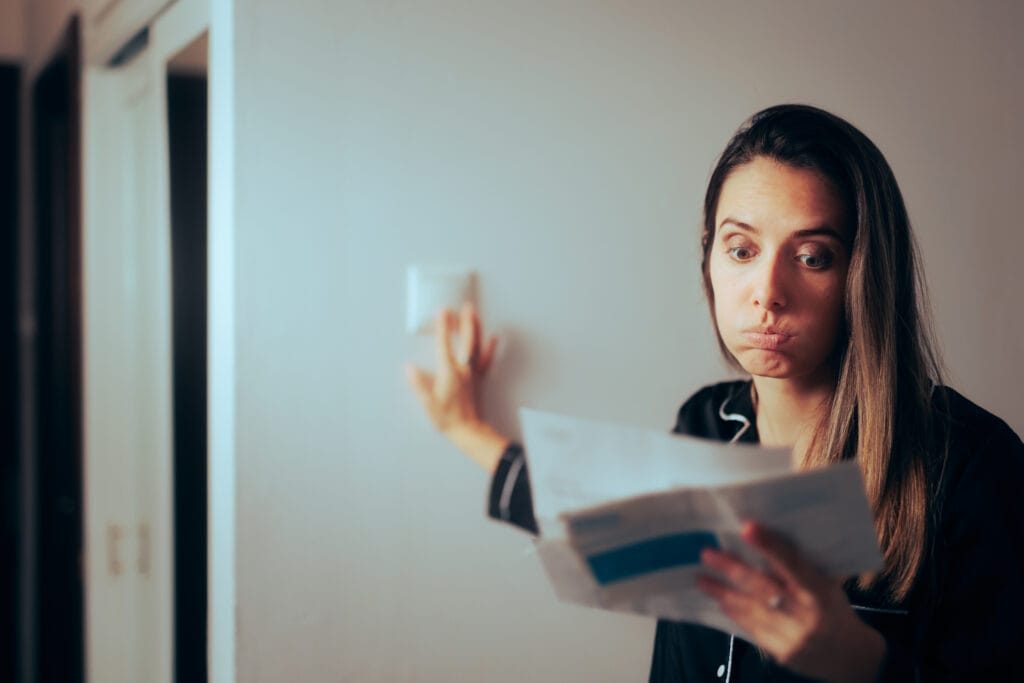
Winter is coming. Your electric bill follows. It’s a painful rite of passage for both homeowners and tenants. But before you panic, you need to look at the numbers. The surge is rarely random. Generally, it is due to three factors. That is, how much electricity you use, how well your home retains heat or how much you are being charged per kilowatt-hour.
In 2025, things will change. Regulatory tariffs were reduced earlier this year. However, your bill may be higher. Why? This is because past adjustments, tax changes or market fluctuations can affect costs. You don’t imagine it. The energy market is very volatile. Production costs, global supply chains and national policies distort prices. If your electricity consumption is very low, a small increase will not have much effect. This is important if you plan to use your heater all day.
Checking the billing status
You need to know who sets the prices. Check the latest statement. Are you on a regulated tariff? Or an indexed offer? The difference is obvious. Regulated prices are set by the government. They are changing, but slowly. Indexed offers follow the wholesale market. they move fast. There are risks associated with choosing a variable interest rate. A sudden spike can give you a big shock.
The business here is clear. Compare quotes. If your current contract allows variable rates, consider locking in a fixed rate. This protects you from sudden market disruptions. You trade potential savings for stability. For many people, this peace of mind is worth the small premium. Don’t just choose the first option. Shop around. Your provider wants you to stay. Competitors may offer better terms just to keep you from leaving.
The Hidden Drain of Phantom Loads
Even if tariffs stabilize, waste will remain. It’s hiding in plain sight. Devices that sit in standby mode. TVs. Consoles. Microwaves. They consume energy without doing any useful work. This is phantom load. It adds up. Over a month, it can be tens of euros. Over a winter, it is significant.
Plug these into power strips. Turn it off when not in use. Sounds simple. people ignore it. they are very busy. they forget. But the habit sticks. You start saving. You will start to notice the difference in your bills. This is not a major correction. But it’s money that comes back into your pocket for free.
Insulation and heat loss
Your home can withstand the cold. If the walls and windows are not properly insulated, the heat escapes. Quickly. The heater works harder. Works longer. It consumes more. Check the window. Drafts are common. Check the door. Seals deteriorate over time.
Close the gap. Use weather sealing. It is very cheap. it works. You will immediately notice the difference in comfort. The cost difference is clearly visible. You no longer pay for the heat transferred to the street. You keep it inside. This is efficiency. This way you can reduce your bills without turning off the thermostat.
Equipment efficiency
Old household appliances consume a lot of energy. Refrigerators will be used much more in 2010 than refrigerators in 2024. The same applies to washing machines and dryers. If you have an older device, it might be eating up your budget in a sneaky way.
Consider trade-offs. Buying a new, efficient model costs money
Reasons why heater prices are high
Winter is not just cold. That brings the bill.
Heating devices are the silent giants of home energy consumption. When the temperature drops, the meter spins faster. It’s not a secret. This is physics. And expensive.
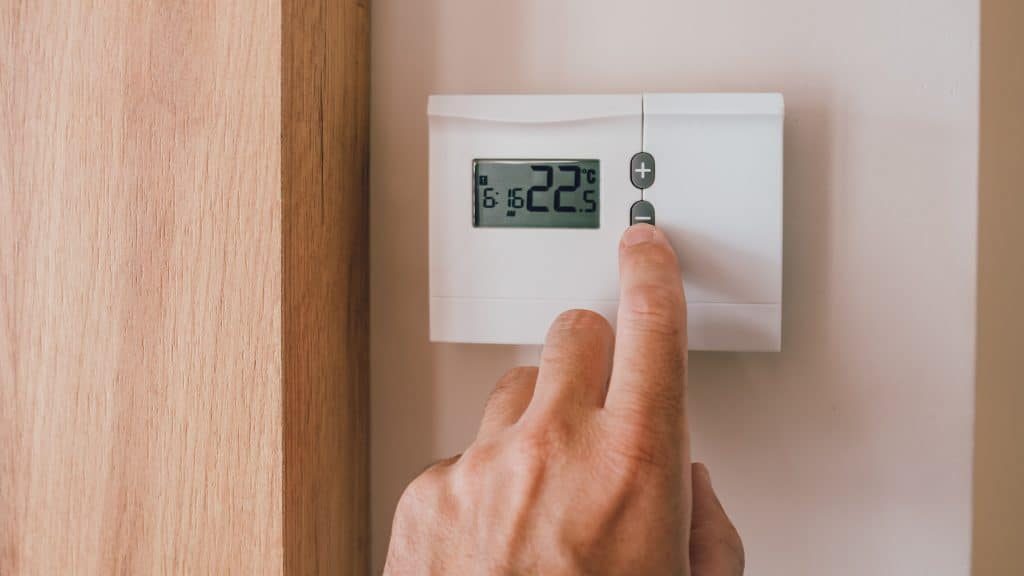
If your electricity bill goes up, there’s no need to panic. Let’s look at the thermostat first.
Many people turn on their heating throughout the day. Or heat an empty room. This is a waste. It’s not necessary either.
How can you stop the bleeding?
- Check your own habits. ** Did you turn up the heat because it was cold or because you were worried about the cold? It makes a difference.
– Adjust settings. ** 19°C is sufficient in the living room. 16℃ is suitable for the bedroom. Your body regulates your body temperature. Your home doesn’t have to be a rainforest. - Use technology. ** Heating programming. Let it drop when you’re at work. Pick it up an hour before you go home.
– Block the drafts. **Thick curtains. The windows are sealed. Something simple. It keeps the heat in. It keeps money in your pocket.
“Keep a suitable temperature: 19 °C in living areas and 16 °C in sleeping areas”
Ignoring insulation problems
A poorly insulated house is like a bucket with a hole in the bottom.
You can pour water all day. The bucket is never full.
The same goes for heat. Your heating system works twice as hard if there are leaks in the walls, ceiling, windows or floors. It makes up for the loss. You pay compensation.
Signs of poor insulation are obvious.
- Drafts near windows.
- Cold walls.
- Too much condensation.
These are not just convenience issues. They are efficiency killers.
If you can’t afford a complete renovation, start small.
– Door snake. ** Stop drafts at the entry.
– Window film. Cheap plastic sheet. They work.
– Thick carpet. ** Insulate the floor.
Not all stored heat is wasted.
Hidden costs of old equipment
Refrigerators do more than just store food. It’s burning electricity.
Old household appliances are energy vipers. They don’t just consume. They consume too much.
Refrigerators. Freezers. washing machine. dryer. These are the usual suspects.
Why?
This is because components that degrade over time will fail. Seal deterioration. Motors wear out. result? The appliance runs longer. Works harder. It wastes electricity.
Do an audit.
Check the energy label. Check the ratings. Are they still valid?
Clean the filter. Clean the refrigerator coils. A dirty condenser coil makes the compressor run longer. It’s basic maintenance. Most people ignore it.
If you need to replace an appliance, think long-term.
- **Choose high efficiency. ** Aim for A+++.
- **Compare usage. ** Newer models consume up to 50% less power than older models.
It’s not just about buying environmentally friendly products. It’s about buying wisely.
The calculation is easy. The initial costs are higher. Your monthly bill will be lower. For five years, the math wins.
But first you need to do some calculations.
Most people don’t. They just plug it in. And hope.
Is this hope enough? Probably not.
Check the coil. Check the seals. Check the temperature. Details matter.
Why your meter or contract can lie
Sometimes it’s not the way you use energy. It’s how the system records it. A faulty meter or billing error can increase your winter bills for reasons beyond your control. If costs are skyrocketing without a corresponding increase in actual usage, the problem is with the data itself.
How to identify contract and meter anomalies
Have you recently changed suppliers? You need to make sure that the new pricing structure actually works as promised on paper. Service providers make mistakes. Contracts are confusing. Prices that look good in the brochure often include hidden fees or outdated tiers that don’t fit your specific usage.
A faulty meter can record phantom consumption. It’s not just the lack of a peak. You will miss the top. That’s what they came up with.
If you suspect your meter is spinning faster than your device allows, don’t just guess. Contact your supplier today. Ask for an formal verification for your meter. They have the tools to test it. If it’s broken, they will credit you. If there are no problems, you know the problem is with your usage patterns, not your hardware.
If you don’t already have a smart meter, consider installing one. These devices provide real-time information. You can see exactly when your usage is at its peak. Is it 3 in the morning? Is it during working hours? With high accuracy, you can detect deviations immediately without waiting for shocking monthly reports.
Practical measures to reduce power consumption
Once you’ve sorted out billing errors or hardware malfunctions, it’s time to focus on the mechanics in your home. Small changes have cumulative effects.
Change to LED bulbs. This is not just a suggestion. Traditional light bulbs waste almost 90% of their energy as heat. LEDs can reduce power consumption by up to 80%. Although the initial costs are high, the return on investment is immediately measurable.
** Kill the phantom load. ** Devices in standby mode still consume power. Televisions, game consoles and microwave ovens. They are siphoning electricity while doing nothing. Use an extension cord with a switch. Shut down the entire device cluster when not in use.
** Master the off-peak hours. **Check contract information. Does it offer time-of-use pricing? If so, set your dishwasher, washing machine or electric car to charge during off-peak hours. The energy is the same. The price is often half.
**Align consumption with production. ** If you have solar panels, the strategy changes completely. You shouldn’t just be using grid power at night. You should be running heavy appliances when the sun is shining. Change your habits to match your generation curve.
Higher bills in winter are rarely just one thing. Usually the reason is tariff hikes, increased heating needs and poor insulation. By checking contracts and meter first, you can eliminate variables you can’t control. Then you can tackle the variables you can.
Proactive management is more than saving money. It’s a matter of accuracy. Stop guessing and start knowing. As a byproduct, environmental impacts are reduced. However, the main goal is still financial clarity.
There’s always another layer. Maybe that insulation is the real problem. Maybe the tariffs are too high for your lifestyle. The bill is a signal. Listen to it.