Money loses its value when it’s in your pocket. Prices are increasing every day. Purchasing power is lost. These are not just news headlines. This is a tangible manifestation of inflation in everyday life.
This may sound like a financial term, but its impact directly affects your personal budget. What happened? Why are currencies depreciating? Knowing the answers to these questions is important not only for general information but also for making better financial decisions.
Inflation means that the general price level of goods and services continues to rise. This increase leads to a decrease in the purchasing power of the currency. The products you bought years ago now cost more. if this trend continues, the problem will become more serious.
The origin and causes of inflation
Inflation is not caused by a single cause, but by a combination of factors that cause prices to rise.
Demand-pull inflation occurs when demand exceeds supply. People’s desire to spend is increasing. However, if manufacturers are unable to supply the same amount of product, prices will rise.
Cost-driven inflation works through a different mechanism. Raw material prices rise and labor costs rise. These costs are passed on to end consumers. At least producers have to do this to maintain profit margins.
Pressure can also come from the central bank’s monetary policy. When the money supply increases rapidly, the value of each unit of money decreases. This situation creates an inflationary environment.
How is it measured?
Inflation needs to be tracked with numerical data. The basic metrics used are:
Consumer Price Index (CPI): The most commonly used indicator. Track changes in the prices of basic goods and services purchased by consumers.
** Producer price index (PPI):** Shows price changes at the producer level. This is often reflected in consumers as well.
Difference between Producer Price Index (PPI) and CPI: The difference between the two indices is believed to reflect import costs and profit margins.
Central banks use key interest rates to achieve their inflation targets. When interest rates go up, borrowing costs go up and spending goes down. Inflation can be contained. However, this may slow economic growth.
Effects and countermeasures
The effects of inflation are far-reaching.
Currency weakening is not just a change in numbers. In reality, you can buy less with the money in your pocket. In this process, the fundamental pressure on the economy often arises from the collision of two major factors, demand and supply.
What is demand-side inflation?
Demand-side inflation occurs when the economy’s consumption exceeds production capacity. Consumption habits are also changing. When people start spending more money, prices naturally go up. This usually happens when the economy is strong. Unemployment goes down, wages go up and your wallet gets richer.
However, problems can arise when this growth exceeds the capabilities of suppliers of goods and services. If everyone wants to buy the same product at the same time, the supplier raises the price. This is a direct pressure on consumer goods. This scenario is also supported by the rapid growth of the amount of money, which exceeds the production of the real economy.
Supply inflation and cost pressures
The more complex situation is supply inflation. The problem with this is that no matter how much people want to spend, the product itself ends up being expensive. An increase in production costs raises the overall price level.
The rise in energy prices has a direct impact on production processes. A rapid increase in workers’ wages would have a similar effect. A shortage of raw materials disrupts the supply chain. The result is the same. Once the product is in the store, it can no longer be sold at the previous price.
This inflation poses even more difficult challenges for decision-makers. This is because raising interest rates and curbing demand will not solve the problem of supply constraints. Instead, unemployment may increase and economic activity may slow down. In other words, in supply-driven crises, lower prices often come at the expense of economic growth.
Why is this distinction important?
Understanding the root causes of inflation guides our answer. If the problem is on the demand side, tightening monetary policy can curb excessive consumption. However, if the problem is on the supply side, the same policy will not solve the bottleneck. It just slows down growth.
To fight real inflation, we need to correctly interpret the importance of both factors. Wrong diagnosis means wrong treatment. Economic balance depends on grasping this fine distinction.

Why do prices keep going up? The answer cannot be reduced to one thing. The causes of inflation are complex and multi-layered. But if you want to understand how this system works, you need to focus on two main factors: demand-driven inflation and supply-driven inflation. These are the most important factors causing price increases in the economy.
What is demand-side inflation? How did it come about?
The mechanism of demand-side inflation is simple. People start spending more on the product, but the inventory of the product remains the same. result? Prices have gone up.
The most important thing here is the purchasing power of consumers. When incomes rise or governments encourage more spending, demand grows explosively. This intense interest in consumer goods inevitably leads to higher prices when supply is limited.
For example, when governments ease monetary policy by lowering interest rates or when personal incomes increase, market demand increases. When demand exceeds supply, prices rise. This cycle is directly related to the growth of consumer spending in the economy.
Supply Inflation: Rising Costs
On the other hand, supply inflation also occurs. This situation is due to increased labor costs for manufacturers. Will raw materials become more expensive? Will energy bills go up? Are taxes going up? All of this reflects the same result: the price of the product.
Manufacturers have to raise prices to cover costs. The most typical example is oil. The rise in oil prices increases transport, production and energy costs. This increase in the cost chain is reflected in the final product and thus raises the overall price level.
Unlike the increase in demand, the starting point is not the money left in the consumer’s wallet, but the increase in the costs of the production line.
How do these two factors affect each other?
In real life, these two situations usually do not occur independently, but rather intertwine and promote each other.
Manufacturers also see an opportunity in this period, when demand inflation first causes price increases. But what makes the situation worse, as the demand increases, so do the wages of the employees and the requirements for raw materials. Manufacturers say, “Our costs have gone up, so we have to raise our prices.”
At this point, demand inflation can turn into supply inflation. prices rise,

The term inflation defines a general rise in prices. Just saying the words is not enough. The extent of this growth must be clearly measured. Why? Because you can’t make policies without data.
Monetary policy, interest rate decisions and tax strategies are all based on this information. If we don’t follow it, the real problems of the economy will be ignored. If you can follow it, it will be easier to intervene.
How is the consumer price index (TUFE) calculated?
The most commonly used tool is TÜFE. The Consumer Price Index (CPI) tracks the goods and services that people buy in their daily lives. The purpose is simple. It shows how much the purchasing power of money has weakened.
The calculation process is based on mathematical weights. Each item represents a different percentage of your budget. A change in the price of a car is more important than a change in the price of a teapot. The average price is calculated based on these weights. The results are compared to previous seasons. Differences are converted into percentage intervals.
Data are usually interpreted on a monthly or yearly basis. Annual calculations are the most common. The percentage difference between the value of the index a year ago and the current value reflects annual inflation. The same approach is used throughout the country. Maintain comparability.
Core Inflation: When Should I Remove the Noise?
TÜFE is not always reliable. Energy and food prices are subject to sudden disturbances. TÜFE will be affected if oil prices rise due to geopolitical crises or food prices fall due to climate change. This may be a temporary situation.
Here, core inflation comes into play.
In this measurement, energy and foodstuffs are excluded from the TÜFE calculation. Why? Because these two sectors blur long-term trends. Core inflation provides a more stable picture. Central banks usually focus on this number. We need to understand the real demand pressures.
Why is this metric so important in financial decision-making?
Measuring inflation is not about the status quo, but a struggle for survival.
High inflation hurts the economy.
Savings lose their value.
Investors are running away from uncertainty.
Interest rates soar.
This situation threatens the stability of the economy. Without measurement, the wrong precautions are taken. Too tight a monetary policy can slow down growth. too loose a policy
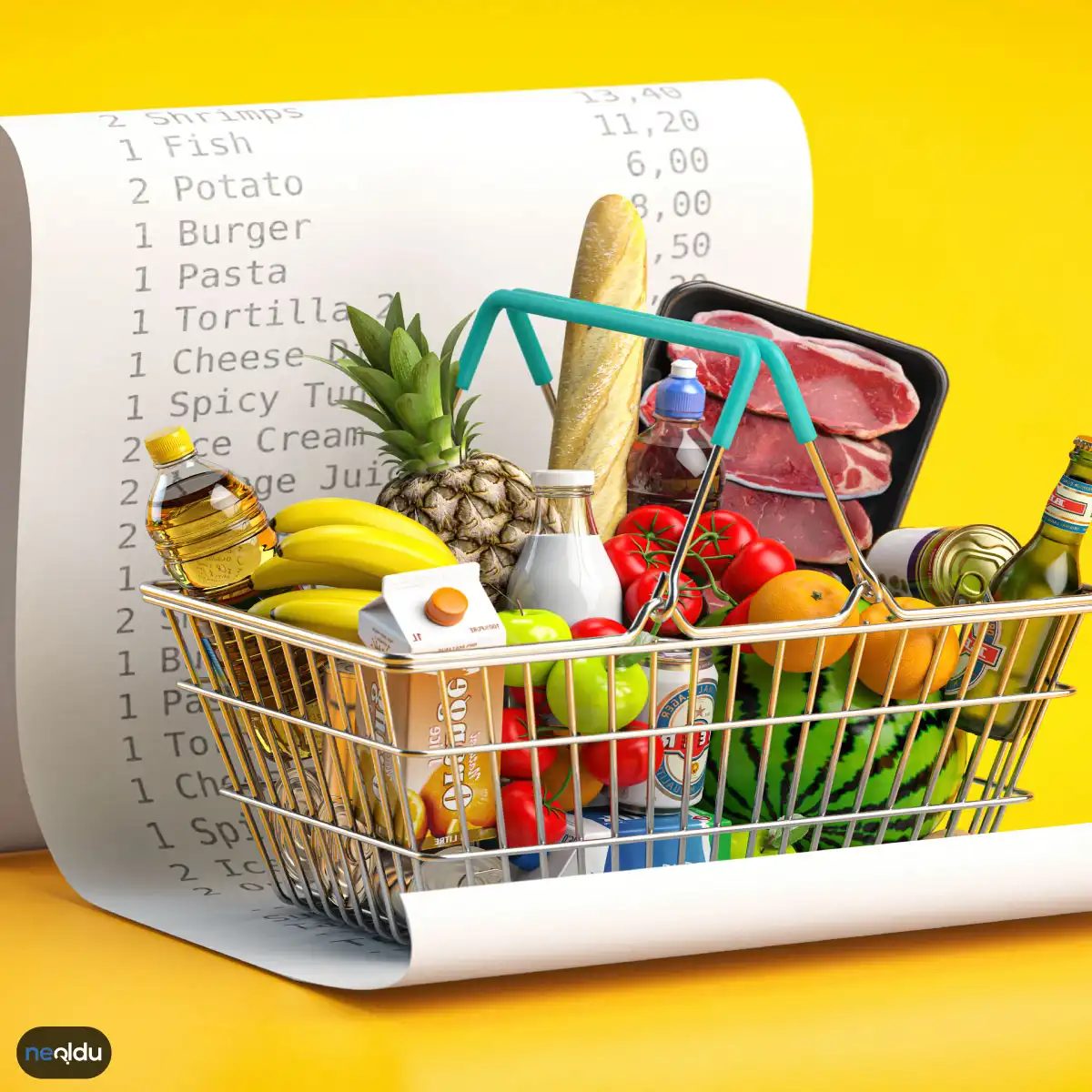
Inflation isn’t just a number, it’s an economic imbalance that can be costly.
How big will the impact be? It depends on its level, duration and underlying reasons. However, the basic mechanism is simple. Your money will melt away.
The collapse of purchasing power
The value of the currency decreases. When prices rise, you buy less with the same face value in your wallet. This is not math, this is reality.
Consumers stop spending, spend less and demand falls.
When demand falls, production may slow down. Economic growth is slowing down. This is a vicious cycle. Loss of purchasing power leads to loss of growth.
The central bank and interest rate reactions
When inflation accelerates, central banks take action. They raise interest rates and make the currency more expensive. But this is a double-edged sword.
Borrowers pay more and credit interest rates rise.
As the cost of capital rises, investors face increasing risk and reduce their investments.
The result is the same. Economic growth has slowed down. If growth slows down, unemployment may rise. In this case, it is difficult to balance.
Increase in production costs
The situation is no different for manufacturers.
Raw materials, energy, labor, all production inputs become more expensive.
What should manufacturers do? They raise prices or profit margins will decrease.
When prices rise, consumers pay higher prices. This cycle continues.
This process has a direct impact on business profitability. When profitability decreases, the size of production decreases. The number of personnel will also be reduced.
Growing income inequality
Inflation does not affect everyone in the same way.
Low-income households suffer even greater losses. This is because most of their income goes towards basic needs such as food, fuel and rent.
For high-income groups, these rates are less critical. Their investment, real estate or currency positions can protect them from inflation.
For the lower class, only cash melts away. This is a shock to income distribution.
Export and competitiveness
Problems can also arise in international trade.
If the country’s inflation is high, export prices will rise. Foreign buyers buy cheaper elsewhere.
Exports decreased and imports increased.
Foreign trade creates an imbalance. The influence of the country in the international market
Inflation is not just a number, it is a condition that destabilizes the economy. It worsens on its own, the effects are usually more severe. To break out of the cost cycle, intervention is needed. Below are the main tools for these interventions.
Monetary policy and interest rates
The central bank’s most effective weapon is interest rates. These interest rates are raised against inflation. Why? This is because higher interest rates limit the money supply.
There is less money in circulation, loan costs increase, personal consumption decreases, corporate investments decrease, demand decreases and the rise in prices slows down.
“By raising interest rates, central banks reduce the money supply and thus reduce consumers’ willingness to spend.”
Although this approach works quickly, it also carries the risk of job loss. If demand falls, growth may stop.
Fiscal policy methods
The government is tinkering with the budget. Taxes are going up. Expenses are reduced.
The increase in the tax burden reduces household budgets, purchasing power and price pressure.
When government spending decreases, the amount of money invested in the economy also decreases. People’s purchasing power has weakened. This will reduce the total amount required. This curbs excess demand, which is the main cause of inflation.
Payroll and cost management
Inflation is driven by labor costs. If wages rise, companies reflect these costs in their prices. Prices are going up. People are demanding higher wages. This is how the cycle works.
Some countries limit salary increases. Through contracts or directives. The goal is to keep production costs flat. If the costs had not increased, the prices would not have increased at the same rate.
This approach could potentially prevent inflation in the short term. However, in the long run, it can lead to employee dissatisfaction and a decrease in productivity. Employers may have to reduce profit margins.
Foreign trade and export control
Inflation can rise due to excessive imports and exchange rate fluctuations. When a country imports too much, the demand for foreign currency increases. Exchange rate prices are rising. The prices of imported goods in local currency will rise.
Governments can restrict imports. To protect domestic manufacturers. This helps to reduce the foreign trade imbalance. Domestic supply is growing. domestic supply increases

Why central banks can’t ignore inflation when setting interest rates
It’s not just about the numbers on your mortgage bill or the yield on your savings account. The relationship between inflation and interest rates determines the true cost of borrowing and the true value of your money. If you ignore this dynamic, your financial plan is just a delusion.
Interest rates are essentially the price of money. Banks and lenders charge fees to equalize the risk. But the problem is that as inflation rises, the money you pay back in the future is worth less than the money you borrow today. Lenders expect purchasing power to weaken. They raise interest rates to offset the risk of inflation.
This has a ripple effect. Higher interest rates increase costs for borrowers. Companies hesitate to invest. Consumers are putting off big purchases. Economic growth has slowed down. This is why central banks are walking a tightrope. They are trying to control inflation without slowing economic growth.
Calculate the actual return
You have to look beyond the headline numbers. The term you need to master is real interest rate. Removes inflation distortions and shows actual profits or losses.
Think of it this way. If the interest rate on government bonds is 10%, it looks very profitable. But if inflation is 3%, your return is not 10%. 7%. We measure growth in purchasing power, not just paper profits.
“Real interest rates reveal the real costs of borrowing and the real return on savings by removing the distorting effects of inflation.”
If inflation accelerates to 8%, the same 10% bond will only give you a 2% real return. Your money can barely keep up with rising commodity prices. If inflation exceeds interest rates, you theoretically lose wealth, even if your bank balance grows.
Borrower’s trap
Why is this important to your decision? Because high interest rates hurt those who borrow money in the first place.
As lenders raise interest rates to account for inflation, the burden on borrowers increases. Your monthly payments may stay the same, but inflation may reduce the real value of your income. Or if you have a variable rate loan, your payments will increase. In either case, your ability to repay will decrease. This slows down consumption. It slows down economic development.
Decision makers know this. They use different tools to maintain balance. They want enough inflation to encourage consumption and investment, but not so much that it destroys the value of contracts and savings.
What this means for your wallet
You can’t control inflation. You cannot control central bank interest rates. But you can control how you react to them.
- ** Pay attention to the real interest rate. ** Don’t just look at the advertised APR or APY. Subtract expected inflation to see if the deal is really a good one.
- **Lock in rates when you can. ** Fixed-rate debt may later become cheaper in real terms if we expect inflation to accelerate further.
- **Hedge with assets. ** High inflation reduces the value of cash. Hard assets and stocks have their own volatility, but tend to perform better.
The real risk lies in the difference between nominal interest rates and inflation. Note this gap. This is the only way to make effective decisions when prices change.