Price is a monetary identifier of a product or service, but also a signal. It tells how much value society places on something because people are willing to spend money on it. This simple exchange drives the entire economy.
When prices move naturally, they act as a distribution system. They direct the goods to the people who want them the most. They also reveal the market situation. When demand is high, prices rise. When the supply is plentiful, prices fall. This feedback loop is called the price mechanism. It pushes the market towards a balance where supply meets demand.
The process is straightforward. Too much in stock? Prices are going down. Producers cut back on manufacturing. Is the product not enough? Prices are going up. Producers increase their production. This cycle balances the scales.
Prices serve three main purposes in this system:
- They give producers guidance on what to do and how much to produce.
- They affect the production methods of goods.
- They determine who actually gets access to the final product.
These rules apply to goods, services and labour. The more people want something, the higher the price. Producers recognize this signal and create more. The opposite is also true. The pricing system gives everyone a clear and functional overview of supply and demand.
However, the market is not completely free. The Pricing Mechanism never operates in a vacuum. Monopolies, government intervention and other market distortions affect natural price movements. Even in a relatively free market these forces are present. In a centrally planned economy, governments often impose price controls for political or social reasons.
When economies try to function without these mechanisms, everything collapses. Surpluses are created from unwanted goods. You face shortages of essential items. Black markets emerge. Economic growth stalls or becomes erratic. The price system, despite all its flaws, is the most effective tool for balancing the complex web of production and consumption.
Inflation and Real-World Constraints
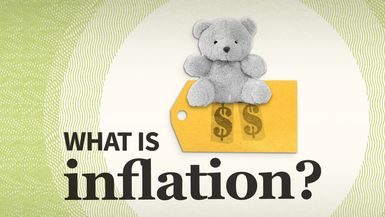
Inflation complicates the picture. It increases the cost of everyday goods and affects everything from housing to daily necessities. This erodes purchasing power and over time changes the way people value money.
Even in “free market economies”, the ideal of unlimited prices is a myth. Disruptions are inevitable. The question is not whether prices are controlled, but to what extent and by whom. Understanding this balance is key to making better financial decisions in a world where prices are rarely what they seem.