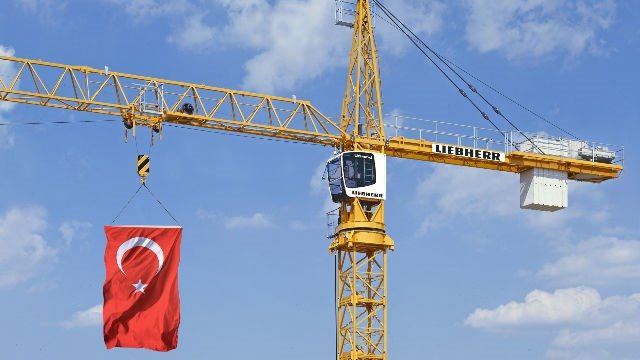
The use of cranes is common on modern construction sites, but not all lifting equipment is created equal. In Turkey, especially in a busy hub like Istanbul, cranes are usually classified into four or five different types. Each model uses a different mechanical principle. Sites where heavy steel beams need to be lifted vertically require a different solution than those where precise horizontal movement is required in tight urban sites.
Many construction companies reduce risk by leasing from trusted, well-known suppliers rather than buying outright. However, the decision to rent should never be taken lightly. Occupational safety factors must be prioritized before signing the contract. Ignoring these factors can turn a logistical necessity into a devastating liability.
Choose the right crane for your project
The first step in risk management is to know which crane is right for your needs. Take tower cranes for example. As the name suggests, these structures are made of very strong steel profiles and are usually fixed to the ground. Designed to withstand horizontal and vertical loads.
The construction of tower cranes is special. The frame is made of steel and iron. From this frame comes the jib or jib, which is the primary mechanism for moving the load. The rear counterweight is located at the rear and provides the necessary balance to prevent the crane from tipping over during a heavy load.
A tower crane is rarely used for small residential jobs. Recommended for tall buildings and areas where access is difficult or limited. While the general applications are consistent across the industry, specific project requirements determine whether a Tower Crane is the right choice or whether a mobile option is more efficient.
The most popular crane rental company in Istanbul
For contractors operating in Istanbul, finding a reliable partner is very important. Below is a list of crane rental companies and their contact information so you can contact them directly.
-
Istanbul Crane Rental Company
Phone number: 0 (531) 512 70 18 -
FENOMEN VİNÇ
Phone number: (0212) 210 90 50
–GÖKÇEL VİNÇ
Phone number: (0216) 508 13 01
- Istanbul Mobile Crane
Phone number: (0212) 596 61 86
–YILDIRIM VİNÇ
Phone number: (0216) 378 00 67
- TUŞBA VİNÇ
Phone number: (0212) 872 65 34
–Istanbul Vinç
Phone: 444 1 629
–Canbey Vinç
Phone: 0 (532) 671 6186
–Vinç Istanbul
Phone: +90 (533) 562 74 60
Why the pre-rental safety inspection is important
Renting a crane is a financial transaction, but it is also a security agreement. When evaluating these providers, don’t just look at the hourly rate. Ask about the maintenance book. Ask about operator certification. If the machines are outdated or the workers are poorly trained, cheap rent is no longer a good idea.
The logic is simple. If the crane breaks down, the construction is stopped immediately. A crane failure can cause injury or death. By checking the security protocols of these companies, you invest in the continuity of your project. The initial due diligence is worth it
How telescopic cranes adapt to heavy lifting
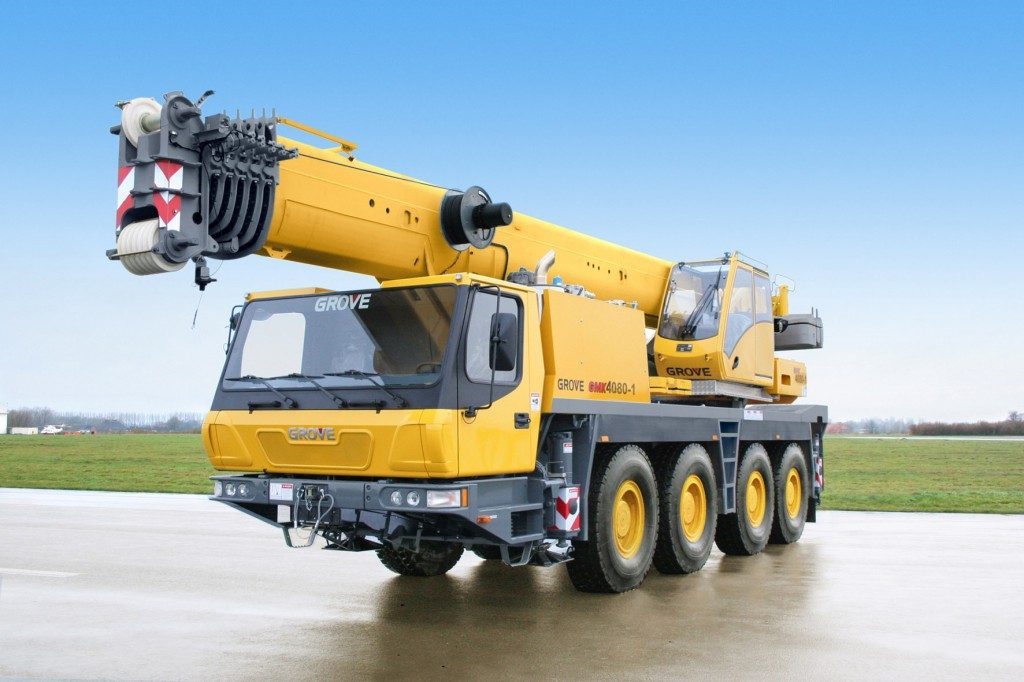
Most people think that a crane is stationary in one place. There’s a good reason tower cranes dominate the skyline, but they’re stationary behemoths. Introducing a mobile crane. These machines are technically called telescopic cranes and are characterized by maneuverability. they move. they drive They reposition themselves.
The difference is important.
When engineers say “mobile,” they’re not talking about little hand-cranked devices. We are talking about a machine comparable in size to a tower crane. However, unlike fixed devices, these devices are flexible. The boom is the key feature. The telescopic arm expands and contracts. It can be implemented without complicated on-site assembly.
Mobile usage scale
You may underestimate the size of these vehicles. The boom can reach more than 10 meters. Some configurations go significantly higher. This coverage changes the situation in small or hard-to-reach areas.
Why is this important to your bottom line?
Because speed and setup time cost money. Assembling a tower crane can take from a few days to a few weeks. The car crane will arrive in a few hours and the support legs can be tightened and lifted. The financial benefit of short-term projects is undeniable.
Where telescopic cranes show their true value
Not suitable for all jobs. You can’t build a skyscraper from scratch with a mobile crane. It is the kingdom of tower cranes. But where is their advantage?
- Demolition Project: This is the main use case. Think about dismantling a tower crane or a wind turbine. These jobs require precise and frequent repositioning. Mobile cranes are good in this regard.
- Elevation cleaning: The glass facades of skyscrapers require maintenance. Mobile cranes provide a stable platform for people and equipment working at height.
- Areas with difficult access: Congested, uneven or partially completed construction sites are often unable to support fixed tower cranes. Mobile units can overcome these limitations.
This decision takes into account more than just load capacity. This is the perfect tool for specific phases of your project. When you need a crane that is here today and gone tomorrow, telescopic truck cranes offer a practical but expensive solution.
The question isn’t whether they can lift. The question is whether the cost of this flexibility outweighs the lower rental costs of a static structure. For many mid-sized industrial jobs, the answer is yes. For others, it’s too late to count.
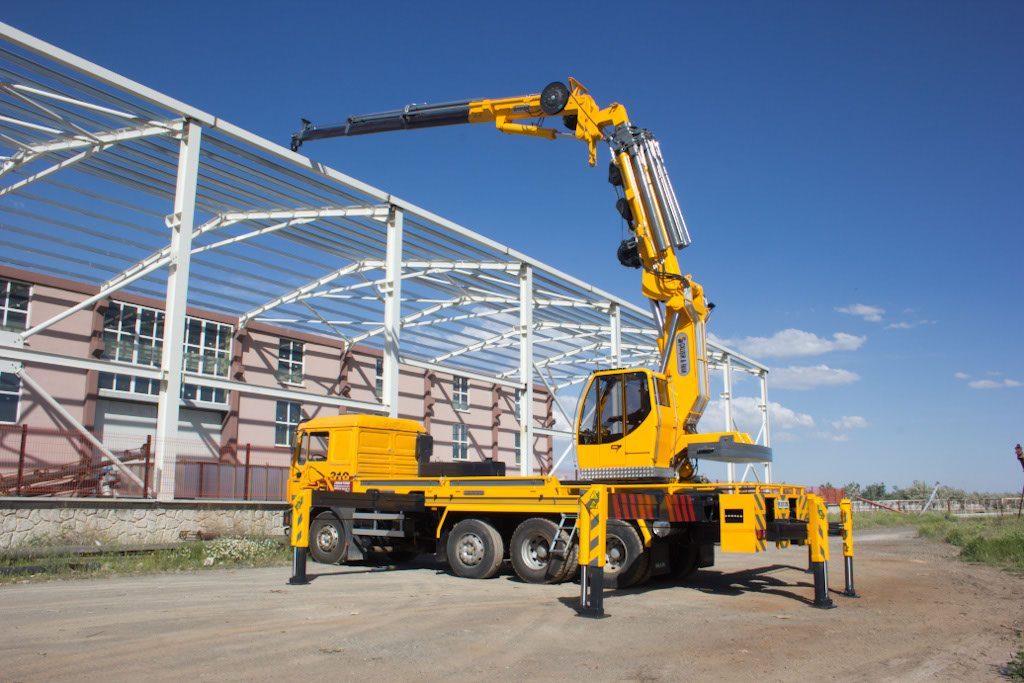
The rise of Hi-Boy cranes in construction and logistics
If you spend enough time on a construction site or logistics yard, you’ll likely hear the word “Hi-Boy.” It’s not just slang. This is shorthand for a specific type of heavy equipment that dominates certain industries because it is practical, versatile and ubiquitous. But what exactly is it? Why do contractors prefer this option over other crane options?
The word “Hi-Boy” comes from the Turkish abbreviation Hydro System. It actually refers to a truck-mounted crane that uses a fixed hydraulic lifting system. Unlike giant tower cranes that rip through tall buildings or specialized boom trucks whose legs must be securely anchored to a concrete base, Hi-Boy cranes tend to be simpler. Typically mounted on a standard truck frame. The crane itself is compact. Foldable. It goes wherever the truck goes.
Where the Hi-Boy crane really works
You won’t find these cranes lifting a 100-ton steel beam into the stadium. They are not made for this. Their strengths are agility and accessibility. Works well in environments where space is limited or the ground is uneven and cannot support heavy outriggers.
The main use case is simple.
- Low and medium height lifts : Consider second floor windows, roof or HVAC units. Suitable for heights that are too high for ladders but too low for tower cranes.
- Material unloading : This is their bread and butter. Trucks arrive with pallets of bricks, bags of cement or bundles of wood. The Hi-Boy crane lifts them off the truck and places them exactly where they are needed.
- Moving construction materials : Moving materials from one place to another in a confined job site.
- Loading : Especially in retail and warehouse areas that cannot be accessed by forklifts.
Why choose Hi-Boy instead of other cranes?
The decision often comes down to cost and mobility. Tower cranes are expensive to rent, install and dismantle. It takes months of planning and tons of space. Truck cranes with large booms are powerful, but also larger. They need wide roads to travel and a solid foundation to build on.
Hi-Boy cranes avoid most of those headaches. They drive on normal roads. You can pass through normal gates. They are often used without extensive site preparation. Hi-Boy is a workhorse for contractors building homes, renovating small commercial properties and expanding warehouses. It’s not flashy. It is different from the giant cranes you see in the movies. However, it gets the job done without much complexity.
The Trade-Offs
It’s not just about convenience. Lifting capacity is limited. You’re looking at capacities is typically 5-20 tons, depending on the model and the length of the boom. If you have to lift heavier loads, you need another machine. Its reach is also limited. If the material needs to be placed on top of an existing structure or far from the truck, a fixed hydraulic system may not provide the required swing radius or height.
Also, since they are typically installed on standard trucks, stability is highly dependent on how the operator manages the load. less margin for error compared to larger, more stabilized
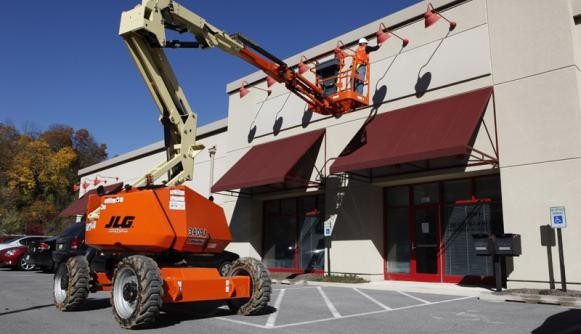
How does a basket crane differ from a normal crane?
Basket cranes, often called boom lifts or cherry pickers in the industry, are specialized lifting equipment designed for jobs that require lifting people. The term “basket” refers to a platform or cage at the end of an articulated or telescoping arm on which the worker stands. This configuration is fundamentally different from a simple crane or a standard construction crane, which usually only lifts materials. The specialty of this place is its ability to lift people’s spirits.
These machines are primarily used in scenarios where the work area is not extremely high, but there are significant risks involved. These are the perfect solution for tasks that other lifts cannot safely handle. If you are working near power lines, complex facades or confined industrial spaces and the scaffolding tower is too large or difficult to assemble, a basket crane is a more flexible option. Its main advantage is the ability to place employees exactly where the work needs to be done, utilizing the stability and security of the design platform.
The biggest selling point of basket crane is safety. When used correctly and equipped with all safety protocols such as safety harnesses, guardrails and emergency lowering systems, they can significantly improve operator safety compared to temporary solutions such as ladders and pallet jacks. This platform is designed to stabilize workers and reduce the risk of falls, which is the most common cause of accidents when working at height. As such, they are not only a tool for improving efficiency, but are also a critical component of workplace safety compliance in many jurisdictions.
Area and capacity information
Basket cranes are not a one-size-fits-all solution when it comes to specifications. There are several models on the market, each tailored to specific height and reach requirements. These machines typically have a starting height of about 20 meters (about 65 feet). In larger, more specialized installations, the range extends from there to 80 meters (about 260 feet).
This 20-to-80-meter bracket meets most industrial, commercial and maintenance needs. For example, a 20-meter lift is perfectly suited for cleaning windows in medium-high buildings or servicing warehouse shelving systems. As the scale increases, machines become more complex and require more space to install and operate. For example, a 60-meter crane has a long reach and a large footprint, making it suitable for large construction projects and major infrastructure repairs.
Note that the “basket” itself is only part of the equation. Lifting capacity, arm type (articulated or telescopic) and mobility (self-propelled or towed) are important factors in determining which machine is right for the job. A smaller basket crane have a large payload for their size and may be able to move heavy tools and materials alongside workers. In contrast, larger cranes can prioritize reach and height over the actual weight they can lift. Understanding these nuances is important when choosing the right equipment for a particular job. This ensures that in addition to the height requirements, the operational and safety requirements of the work are also met.
The Real Cost of the Subscription
It feels like a small price. $5 here. $10 there. monthly. It slips past the mental filter because they don’t affect your bank account like paycheck deductions or big purchases. But the aggregate? This is where the leak occurs.
According to various consumer reports, the average American household spends more than $1,200 each year on subscriptions they don’t use regularly. That $100 a month can be gone in no time. Streaming services, software tools you’ve logged into once, gym memberships you haven’t used since January. Registration is easy. The friction to cancel? It is often shockingly high.
It’s not just a waste. It’s about cognitive load. Active subscriptions are small decisions you make every month. Should I keep this? Do I need it? When I heard about it, I had already paid. The default is always “yes” unless you actively object.
Why continue paying for ghost services?
Behavioral economists are famous for this. This is the endowment effect plus inertia. You feel like you “own” access to the service, even if you’ve never used it. Canceling feels like losing something you already have. So keep it. You tell yourself you’ll watch the show next week. You’ll use that cloud storage next month.
But next week never comes. Or you’re too busy when it happens.
The real danger is not the money. This is the normalization of recurring costs. When you outsource your habits to subscriptions, you lose the ability to appreciate the moment. Reading the book is not your choice. Just go to the Library app. Listening to music is not your choice. Just play your playlist. The agency is gone. The costs are hidden.
How to Audit Your Digital Leaks
Stop guessing. Start digging.
- Excerpt from the statement. This is not a summary. Line item. Look for recurring payments. Ignore the amount for a moment. Just look for the names.
- **Classification. ** Mandatory. I would be happy if there was one. Forgotten.
- **30 day rule. ** Stop for a month and think about what is worth getting and what has been forgotten. If you don’t notice the absence, cancel. If you do, you’ll remember to renew. Most of the time, you won’t.
This isn’t about austerity. You won’t save money by ditching a streaming service you’ll never watch. You buy attention back.
The hidden pitfalls of free trials
Free trials are the Trojan horse of the subscription economy. These are designed to turn hesitations into habits. The user interface is smooth. We save your payment information for your convenience. Join, try it and then forget to cancel.
This asymmetry in friction is the reason why free trial conversion rates are so high. Registration only takes a few seconds. Cancellations can take a few minutes, make a phone call, or navigate a maze of customer service menus. Companies are waiting for your laziness. They rely on oblivion.
Don’t let them.
If you need a free trial to justify the price of the service, it’s likely not essential. Basic services do not require psychological tricks to retain users. They deliver value.