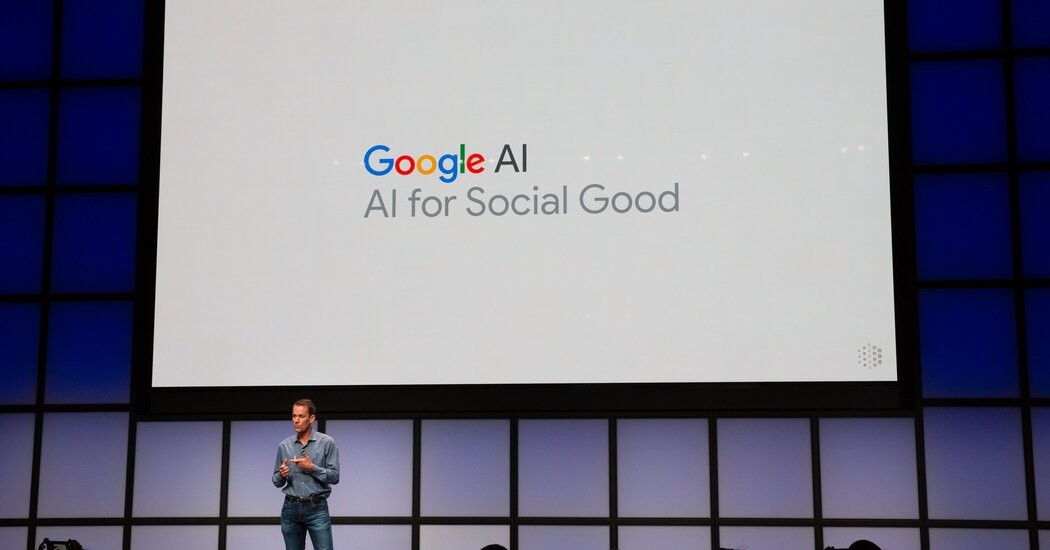
Growing tensions between the Pentagon and AI developers are escalating, with Google workers now joining the call for strict ethical boundaries on how artificial intelligence is used in military applications. More than 100 Google employees working on AI technologies have sent a letter to company leadership, echoing concerns previously voiced by Anthropic and demanding that Google establish clear “red lines” in its government contracts.
Pressure Mounts on Tech Companies
The dispute centers on the U.S. Department of Defense’s insistence on unrestricted access to AI models, including Anthropic’s and Google’s Gemini AI, for purposes that could include mass surveillance of citizens and deployment in fully autonomous weapons systems. Anthropic has resisted these demands, seeking guarantees that its technology won’t be used for unethical or harmful applications. This resistance is now prompting similar internal debates at other tech giants.
The Google employees’ letter, addressed to chief scientist Jeff Dean, specifically requests the company prevent the military from using Gemini AI for domestic surveillance or in weapons systems operating without human oversight. They stated a desire to “be proud of our work,” suggesting that participation in such projects would damage morale and ethical standing.
Broader Industry Concerns
This isn’t an isolated incident. Nearly 50 OpenAI employees, alongside the 175 Google colleagues, have publicly criticized the Pentagon’s negotiation tactics, urging industry leaders to unite and reject current demands. The Defense Department currently holds a $200 million contract with Anthropic, leveraging its substantial influence over the AI landscape.
The core issue is whether private companies should prioritize profit from government contracts over ethical considerations when dealing with potentially dangerous technologies. If the Pentagon succeeds in securing unrestricted access, it could set a dangerous precedent, normalizing the use of AI for unchecked surveillance and autonomous warfare.
This situation raises a fundamental question: Can AI development be reconciled with responsible governance and human rights? The answer will depend on whether tech companies choose to prioritize ethical boundaries over short-term financial gains.
The standoff is likely to continue, potentially reshaping the relationship between the military and the AI industry, forcing a broader reckoning with the ethical implications of advanced technologies.