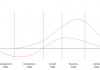
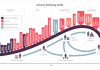
У міру того, як все більше американців беруть участь у масштабній міжштатній міграції — переїжджаючи зі штатів з високими податками, таких як Нью-Йорк та Каліфорнія, у бік «Сонячного поясу», намічається загальна тенденція: «пастка хайпа». Коли місто стає соціальним або економічним трендом, попит на нерухомість часто обганяє зростання місцевих зарплат, через що той спосіб життя, заради якого люди переїжджають, стає все більш недоступним.
Щоб зорієнтуватися в мінливому ландшафті 2026 року, експерти з нерухомості радять дивитися глибше за популярні заголовки і шукати міста, які пропонують схожі переваги, але без надмірно високих цін.
📍 Техас: вибираємо вигоду замість хайпа
Тренд: Остін, штат Техас, довгий час був магнітом для працівників технологічного сектору та приїжджих. Проте стрімкий приплив мешканців призвів до того, що медіанні ціни на житло стали значно вищими за той рівень, який можуть комфортно підтримувати місцеві зарплати.
Альтернатива: Сан-Антоніо, Техас
Якщо ви хочете отримати переваги економіки Техасу, але без «остінської націнки», Сан-Антоніо стане стратегічно вірним вибором.
* Доступність: Медіанні ціни на житло коливаються в районі $300 000.
* Економічна стабільність: На відміну від міст, що залежать від однієї галузі, Сан-Антоніо володіє диверсифікованою економікою, що спирається на охорону здоров’я, технології та військовий сектор.
Фінансові переваги: Як і в Остіні, в Сан-Антоніо немає прибуткового податку штату, але вартість життя тут набагато більш прийнятна.
📍 Південь: південна чарівність без переплат
Тренд: Чарльстон, Південна Кароліна, залишається топовим напрямком для тих, хто шукає прибережну красу та історичний шарм. Проте зараз місто бореться з різким зростанням вартості життя, що ставить під загрозу його доступність.
Альтернатива: Хантсвіл, Алабама
Для тих, кого приваблює південний спосіб життя, Хантсвілл пропонує більш збалансований міський досвід.
Універсальність: Його називають містом «на всі випадки життя», що пропонує яскраву міську інфраструктуру за малу частку вартості Чарльстона.
* Потенціал зростання: Місто забезпечує високу якість життя для тих, хто шукає поєднання південної культури та сучасної інфраструктури.
📍 Великі озера проти Гірського Заходу
Тренд: У Бойсі, штат Айдахо, під час пандемії стався колосальний стрибок на ринку нерухомості: ціни на будинки злетіли приблизно на $200 000. Таке стрімке зростання знизило «привабливість» регіону для багатьох, оскільки поріг входу тепер переважує регіональні переваги.
Альтернатива: Буффало, Нью-Йорк
Хоча Бойсе і Буффало мають схожий холодний зимовий клімат, їх економічні профілі істотно різняться.
* Розвиваються сектори: У Буффало спостерігається зростання в технологічному та дослідному секторах, що відкриває можливості для високооплачуваної роботи.
* Природні багатства: Подібно до Тихоокеанського Північно-Заходу, район Буффало пропонує чудову природну красу, забезпечуючи якісний рівень життя без «модних» стрибків цін, що спостерігаються в Айдахо.
💡 Підсумок
Основний фактор зростання цін у цих популярних центрах простий: Попит. У міру зростання популярності міста зростає і вартість житла і повсякденного життя. Вибираючи «другорядні» міста — ті, що мають схожі економічні драйвери чи клімат, але не мають такого агресивного висвітлення у ЗМІ — релоканти можуть забезпечити собі більш високий рівень життя за менші гроші.
Резюме: Щоб уникнути пасток переоцінених ринків нерухомості в 2026 році, майбутнім переселенцям слід віддавати пріоритет містам з диверсифікованою економікою та розумним співвідношенням ціни та зарплат, таким як Сан-Антоніо, Хантсвілль або Буффало.