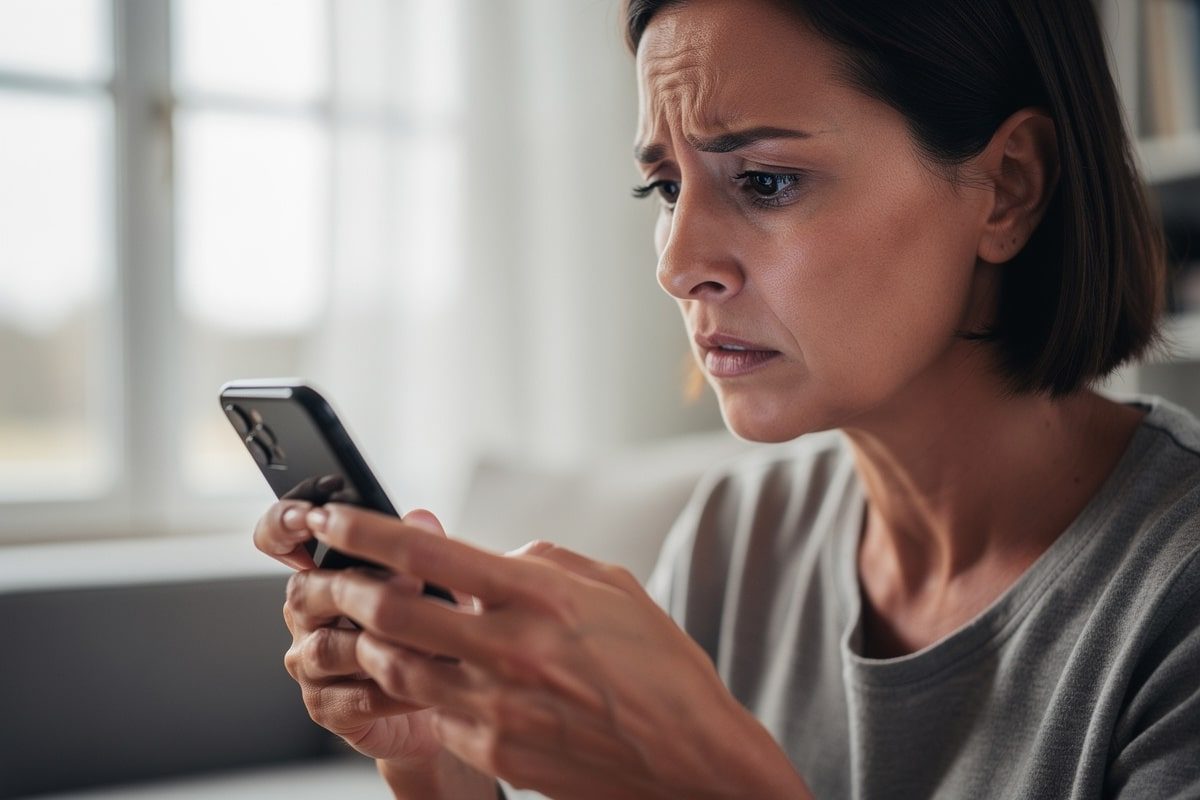
Spring is here. The online orders are pouring in. You expect a notification. Then you see it. A photo of a package. It looks real. It has your name on it. It’s generated by artificial intelligence. Click. And your bank account is gone.
This isn’t the phishing of the past. Those messages had typos. They looked sloppy. Today’s criminals use hyper-realistic images. They know your address. They know your name. And they want your credit card number.
The Trap in Plain Sight
The scam starts with a text message. It looks harmless. But it contains a high-resolution photo. The image shows a cardboard box. There is a shipping label. The label has your full name and postal address.
Where did they get this info? They bought it.
Scammers harvest data from leaked databases. They sell this data on the dark web. With your name and address, they create a personalized bait. The AI generates a picture of a parcel with your details printed on it. It’s too perfect. Too specific. You see it, and you assume it’s real.
“The boundary between reality and virtual fraud blurs when the visual proof is personalized.”
The message text adds to the urgency. It claims the courier is stuck. They can’t deliver. You need to click a link to reschedule. Or to pay a small fee.
The Financial Bleed
You click the link. It leads to a mirror site. It looks exactly like a major delivery company’s tracking page. The logo is there. The layout is correct.
The site asks for a small payment. Maybe fifty cents. It says “customs fee” or “redelivery charge.” The amount is so low you don’t think twice. You enter your card number. The expiration date. The CVV code.
You think you’re solving a minor logistics problem. You’re not. You’re handing over your financial identity.
The criminals don’t just take the fifty cents. They take the card data. Then they drain the account. Or worse. They use that data for a secondary scam.
They call you. They pretend to be your bank’s fraud department. They use the stolen card details to prove they know your info. They say there’s a suspicious transaction. They guide you to move money to a “safe” account. That account belongs to them.
Why Your Brain Fails You
This works because of psychology. Not technology.
The AI image provides visual proof. It bypasses your skepticism. You see the box. You see your name. Your brain says, “It’s real.”
Then the urgency kicks in. The text says act within twenty-four hours. Fear takes over. You worry about the package being returned. You worry about the hassle of contacting support. You want it resolved now.
Pressure shuts down critical thinking. You don’t check the URL. You don’t look for HTTPS errors. You just click.
How to Protect Yourself
- Never click links in SMS about deliveries. Go to the carrier’s official app or website. Type it manually.
- Verify the sender. If you didn’t order anything, delete the message. If you did, check your order history directly.
- Question the image. AI can copy names and addresses. It can’t verify intent. A photo of a box doesn’t mean you owe money.
- Beware of small fees. Legitimate carriers charge for redelivery, but they deduct it from your existing payment method. They don’t ask for new card details for pennies.
- Enable transaction alerts. Get notified by text or email for every charge. Spot the drain early.
The technology is advancing. The scams are getting smarter. But the goal is still simple: get your data. Stay skeptical. Verify directly. Don’t let the photo fool you.
Spotting AI forgeries and locking down your banking access
AI-generated images are getting dangerously good at mimicking real life. But they still leave fingerprints. Look closer at any suspicious photo sent via SMS. The shadows rarely align. Reflections on plastic packaging often blur incorrectly. Text on barcodes in the background? Usually illegible garbage characters. These aren’t just glitches. They are tell-tale signs that someone is trying to trick you into believing a package was lost or delivered incorrectly.
There is one hard rule in logistics. Major carriers like Mondial Relay do not use standard mobile numbers starting with 06 or 07 to contact customers. They also never send personalized photos of lost parcels via text. If you receive a message claiming to be from a courier using a personal phone number, it is a scam. Period.
The ultimate checklist to secure your bank account from suspicious texts
Rigor is your only real defense against this flood of digital fraud. If an unexpected message about a delivery arrives, do not click the link. Ignore it. Instead, open your browser. Type the official address of the courier or the retailer directly into the URL bar. Check the tracking status yourself. Never trust the source of the text.
Here is a clear breakdown of how to react to common scam scenarios:
| Situation found in SMS | Immediate Security Reflex |
|---|---|
| Unexpected photo of a package | Delete immediately. Carriers do not do this. |
| Urgent request for extra fees | Verify status on the official carrier app. |
| Demand for bank details | Never enter card numbers from an SMS link. |
| Message from a standard mobile number | Report it to protect others. |
You have a civic duty here. France has a specific tool for this. You can forward any suspicious text or call to 33700. This is the official platform against spam. It costs nothing. It helps block dangerous numbers quickly.
Cybercriminals are inventive. They borrow modern technology to perfect their illusions. They rely on your urgency. By staying informed and applying systematic caution, you build a wall around your financial stability. Visuals dominate our feeds now. We scroll past things without thinking. The real question is whether you will pause. Whether you will look at the shadows in the photo. Whether you will type the URL yourself before opening your wallet.