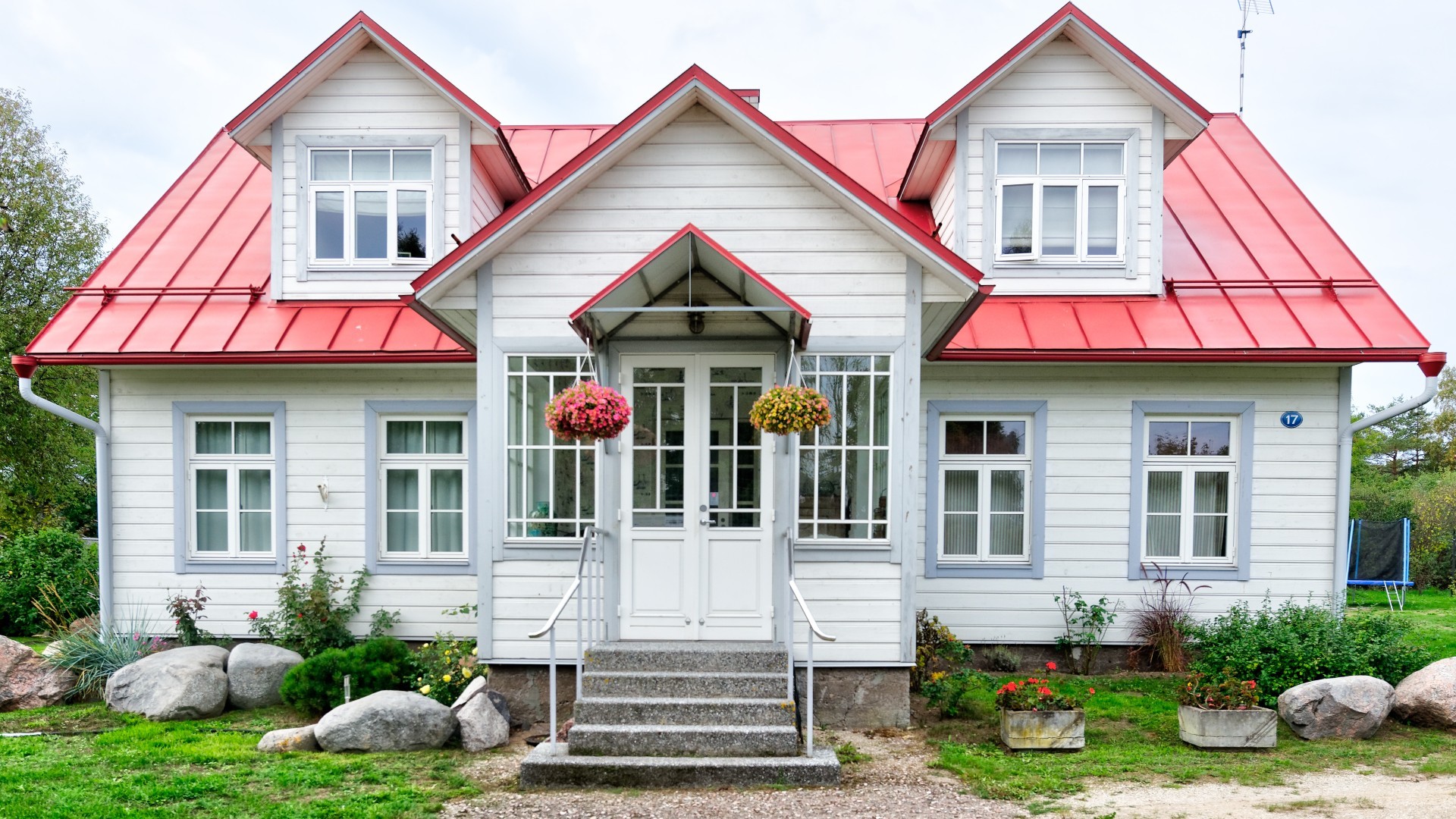
Більшість домовласників відкладають критичний ремонт через фінансові труднощі: згідно з останніми опитуваннями, 71% відкладають ремонт, а 62% самостійно справляються з поломками. На відміну від автомобілів, будинки не сигналізують про необхідність капітального ремонту, тому раннє технічне обслуговування є критичним. Ось вичерпний список для будинків, яким виповнилося 20 років, з наголосом на запобіганні дорогим проблемам у майбутньому.
1. Дах і водостоки: перша лінія захисту
Склопластикова черепиця зазвичай служить від 25 до 30 років, але та, яка була встановлена приблизно в 2005 році, наближається до кінця. Професійний огляд ($150-$250) може визначити, чи потрібен ремонт або заміна. Нехтування цим може призвести до пошкодження водою, проблем з фундаментом і появи цвілі.
Профілактичне технічне обслуговування набагато дешевше, ніж усунення структурних витоків, яке може коштувати понад 8000 доларів США. Водостічні жолоби також слід перевірити на наявність іржі, провисання та закупорювання, щоб забезпечити належний дренаж.
2. Опалення, вентиляція та кондиціонування повітря (HVAC): ефективність і довговічність
Обігрівачі та кондиціонери зазвичай служать від 15 до 20 років. Якщо ваш пристрій був встановлений у вашому домі, він не прослужить довго. Старіші системи є менш ефективними, що призводить до вищих рахунків за електроенергію та меншого комфорту.
Заміна застарілої системи ОВК часто обходиться дешевше, ніж повторний ремонт або вищі рахунки за комунальні послуги. Модернізація також покращує якість повітря в приміщенні.
3. Водонагрівач: безшумна бомба уповільненої дії
Більшість водонагрівачів служать 10-12 років. Якщо ваш все ще оригінальний, його давно потрібно замінити. Недотримання цієї вимоги може призвести до неочікуваних витоків і пошкодження водою.
4. Сантехніка: приховані ризики
Попросіть сантехніка перевірити каналізацію камерою (125 доларів) і оглянути кутові крани під раковинами. Монтаж сантехніки в будинку з двома ванними кімнатами коштує від 4500 до 7000 доларів США, але це дешевше, ніж усунення цвілі через непомічені витоки.
5. Електрична панель: безпека перш за все
Старі електрощити не розраховані на сучасні навантаження від побутової техніки. Автоматичні вимикачі слабшають, проводка зношується, а застарілі панелі можуть спричинити пожежі через 20 років. Професійний огляд вкрай важливий.
Розгляньте можливість переходу на 200-амперну панель ($1800-$2400), установку розеток УЗО на кухнях і у ванних кімнатах і захист від атмосферних впливів зовнішньої електропроводки, щоб уникнути дорогих надзвичайних ситуацій.
6. Кухонна техніка: прибуток від економії
Холодильник 2005 року споживав 1400 кВт/год на рік, тоді як поточна модель Energy Star споживає лише 400 кВт/год. Оновлення може заощадити 170 доларів на рік.
Жовте полум’я на газових пальниках свідчить про ризик отруєння чадним газом; Негайно викликайте техніка. Холодильники, посудомийні машини, духовки та мікрохвильові печі зазвичай виходять з ладу приблизно через 20 років.
7. Фундаменти та плоскі поверхні: структурна цілісність
Дрібні тріщини можуть бути косметичними, але ширші тріщини потребують професійної оцінки. Герметизація під’їзної доріжки за 150 доларів може запобігти повторному покриттю під’їзної доріжки вартістю 4000 доларів через п’ять років.
8. Ізоляція та вентиляція: комфорт і здоров’я
Огляньте ізоляцію на наявність тріщин, оскільки погана вентиляція перевантажує системи ОВК. Перевірте вікна на наявність протягів і протікань, які вказують на проблеми з вологістю. Належна вентиляція запобігає циркуляції брудного повітря.
9. Обладнання безпеки: захистіть свій дім
Замініть прострочені димові сигналізатори (зазвичай через 10 років) на 10-річні сигналізатори із закритою батарейкою. Встановити детектори чадного газу на кожному поверсі. Розумні датчики витоку (35 доларів кожен) можуть попередити вас про витік води під раковинами.
10. Інвестуйте в професійну інспекцію
Бюджет 3 000-5 000 доларів США на повну перевірку (дах, система опалення, вентиляції, вентиляції, кондиціонування, водонагрівача, електричної панелі), щоб уникнути несподіваних витрат у 25 000 доларів США при продажу. Ці проактивні інвестиції часто є найціннішим кроком, який ви можете зробити.
20-річний огляд будинку забезпечує фінансовий захист, а також обслуговування. Вирішення цих проблем зараз запобігає набагато більш дорогим проблемам у майбутньому, забезпечуючи безпеку та цінність вашого будинку.