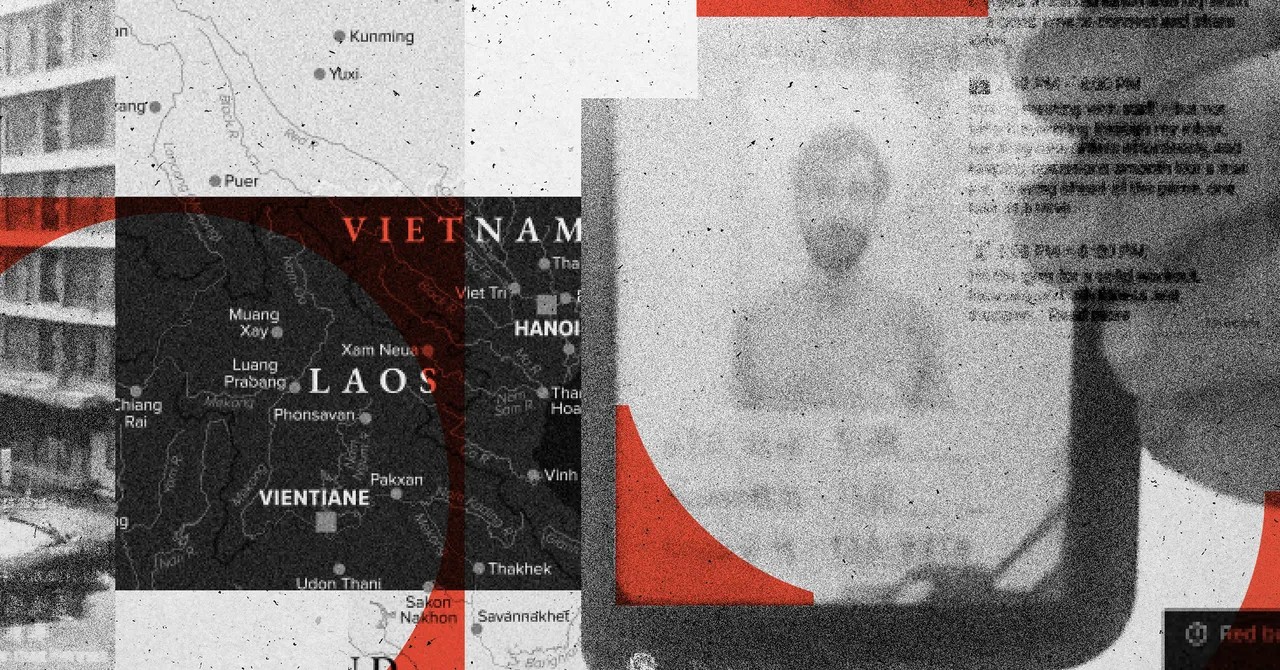
Внутрішні документи та журнали чату операції зі забою свиней у Лаосі виявляють систематичне поневолення, примус та маніпуляцію робітниками, які змушені обманювати мільйони жертв. Операція, відома як комплекс Бошанг, функціонує як злочинна організація, побудована на борговій кабалі, психологічному насильстві та постійному тиску з метою виконання квот.
Щоденний жах
Витік матеріалів, отриманих WIRED від інформатора, розкриває дивну суміш корпоративної тактики стимулювання та відвертої жорстокості. Офісні менеджери надсилають солодкі повідомлення, закликаючи працівників «об’єднуватися, надихати та змінювати ситуацію», тоді як начальники одночасно погрожують насильством, штрафами та позбавленням основних потреб, якщо цілі не будуть досягнуті. Працівники живуть під постійним наглядом, їх діяльність у WhatsApp відстежується та ретельно перевіряється.
Шахрайський комплекс працює за 15-годинним нічним графіком, синхронізованим з американськими часовими поясами, щоб максимізувати взаємодію з жертвами. Робітники отримують мізерну зарплату, але залишаються в боргах, змушені обманювати жертв, щоб виплатити сфабриковані «контракти», які тримають їх у рабстві. Їжа, сон і навіть елементарна свобода використовуються як покарання за порушення.
Механіка обману
Операція значною мірою покладається на романтичні та інвестиційні шахрайства, націлені на жертви – в основному американців індійського походження – з використанням підроблених профілів і сфабрикованих емоційних зв’язків. Внутрішні документи містять сценарії для встановлення довіри, маніпулювання жертвами для переказу коштів у криптовалюту та навіть передбачення сповіщень про шахрайство від банків або правоохоронних органів.
Генеративні інструменти ШІ, включаючи ChatGPT і технологію deepfake, відіграють вирішальну роль у підтримці ілюзії. Працівників навчають використовувати ШІ, щоб створювати переконливі повідомлення та видавати себе за жертв, використовуючи вкрадені фотографії під час відеодзвінків. У комплексі навіть є спеціальна «кімната штучного інтелекту», де модель проводить глибокі фейкові дзвінки за запитом.
Системний контроль і боргова кабала
Журнали чатів розкривають нещадну систему контролю через штрафи, покарання та ілюзію фінансових можливостей. Працівників заохочують обманювати жертв обіцянками комісійних, але вони регулярно обманюють їхні заробітки. «Борг», який вони змушені повертати, навмисно роздувається, щоб вони залишалися в полоні.
Операція використовує вразливі місця в правовій системі Лаосу. За словами дослідника Гарвардського університету Джейкоба Сімса, практика компаундування відповідає визначенню торгівлі людьми згідно з міжнародним правом, але правозастосування бракує. Лідери з’єднання відкрито визнають це, називаючи “компенсацію” за звільнення закодованими виплатами викупу.
Витік матеріалів підтверджує, що ці шахрайські з’єднання є не просто злочинними підприємствами, а сучасними колоніями рабів. Поєднання фінансового примусу, психологічних маніпуляцій і фізичних погроз робить втечу майже неможливою. Масштаби операції вражають: десятки подібних з’єднань діють по всій Південно-Східній Азії, викрадаючи жертв на десятки мільярдів доларів щорічно.
Справжня ціна цих шахрайств виходить за рамки фінансових втрат. Витік чатів показує людські втрати: доведені до відчаю працівники, розорені жертви та системна експлуатація, яка процвітає в тіні.