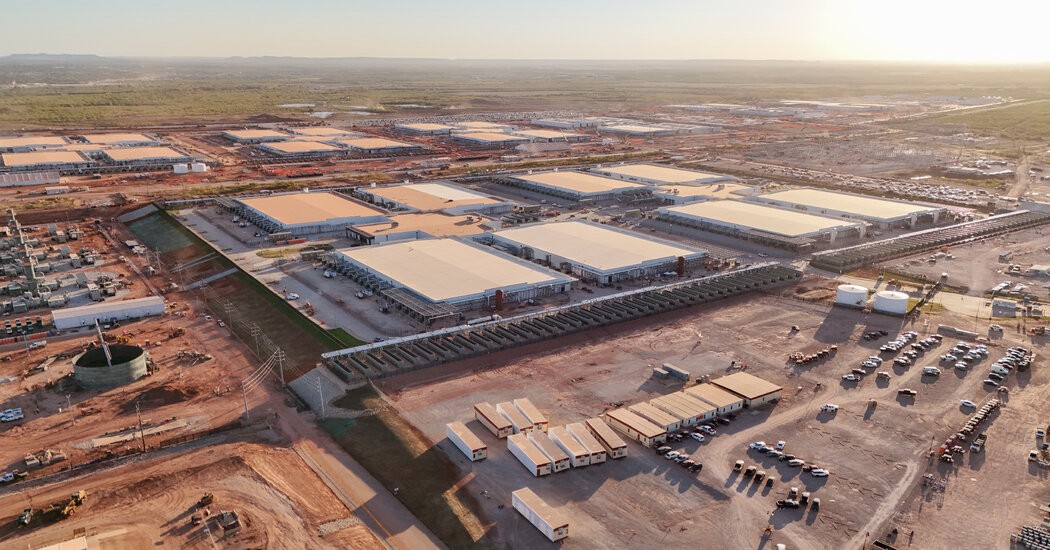
Законодавці на рівні штату та на федеральному рівні все більше наполягають на тому, щоб центри обробки даних сприяли більшому внеску в оновлення мережі, яких вони вимагають. Сплеск споживання енергії цими об’єктами, викликаний розвитком штучного інтелекту, починає впливати на вартість електроенергії для домогосподарств і малого бізнесу. Хоча немає консенсусу щодо точно того, скільки більше вони повинні платити, ця дискусія підкреслює зростаючу напругу між технологічним розширенням і доступністю для звичайних споживачів.
Зростаючий попит, зростаючі витрати
Останні дослідження показують, що до 2028 року центри обробки даних можуть споживати до 12% усієї електроенергії в Сполучених Штатах — майже вдвічі більше, ніж зараз. Різке підвищення загрожує підвищенням цін на електроенергію по всій країні, що спонукає до дій як республіканців, так і демократів принаймні в дюжині штатів, включаючи Флориду, Оклахому, Нью-Йорк і Каліфорнію. Розглядається законодавство, щоб захистити мешканців від тягаря цих зростаючих витрат.
Законодавчі ініціативи
Сенатор Кріс Ван Холлен (D-Md.) нещодавно представив законодавство, яке спрямоване на встановлення національних стандартів, які вимагають від технологічних компаній справедливої участі у фінансуванні модернізації мережі відповідно до їхніх енергетичних потреб. Мета, за словами Ван Холлена, полягає в тому, щоб «незалежно від того, де хтось хоче побудувати центр обробки даних, споживачі знали, що вони не зазнають витрат». Це свідчить про широке занепокоєння, що поточна модель не є стійкою в довгостроковій перспективі з точки зору доступності.
Реакція промисловості
Технологічна галузь неоднозначно відреагувала на ці пропозиції. Деякі компанії, такі як Microsoft, висловили готовність платити більше, тоді як інші кажуть, що вже роблять справедливий внесок. Розбіжності підкреслюють складність проблеми та потенціал для переговорів, оскільки законодавці шукають рішення.
Суть конфлікту проста: дата-центри потребують величезної кількості електроенергії, і цей попит експоненціально зростає з розвитком штучного інтелекту. Без чіткого механізму розподілу витрат фінансовий тягар неминуче ляже на споживачів і малі підприємства, що може перешкоджати економічному зростанню та посилювати нерівність. Нинішній законодавчий імпульс свідчить про зростаюче усвідомлення цієї проблеми та рішучість знайти більш справедливе рішення.